

Assessment of Acid Stained Concrete Indoor and Outdoor Surfaces PowerPoint PPT Presentation
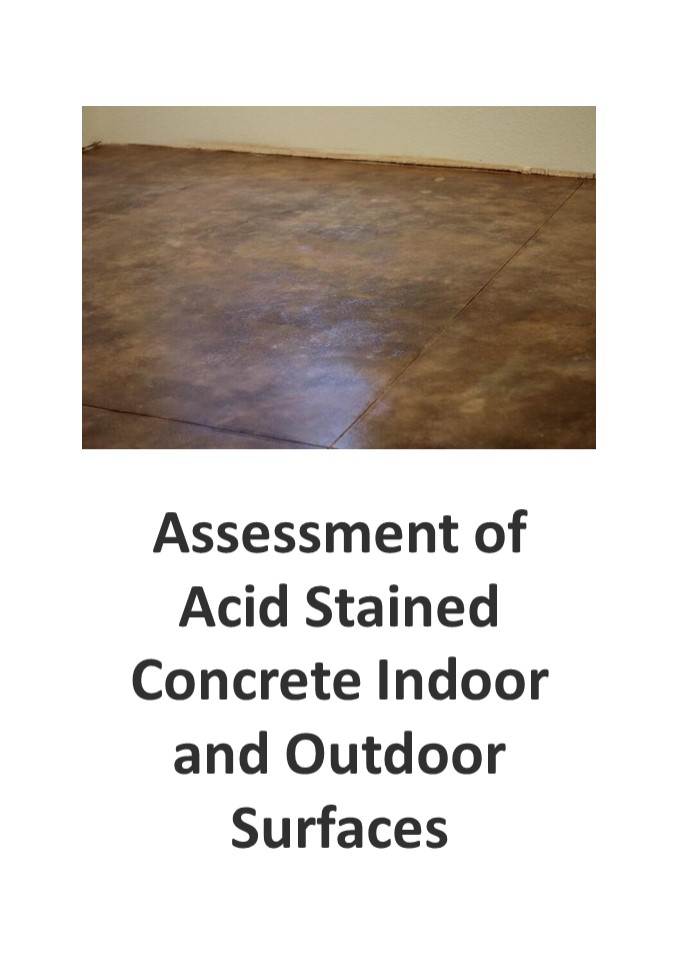
Title: Assessment of Acid Stained Concrete Indoor and Outdoor Surfaces
1
Assessment of Acid Stained Concrete Indoor and
Outdoor Surfaces
2
Cheap Concrete Floor Impurities
Staining is the most cost-effective and
time-efficient method of transforming outdoor
concrete. In only a few days, you can change a
dull grey slab into a lovely tinted concrete
terrace, sidewalk, or sundeck. Acid stains are
often a more durable option for external
concrete stain jobs than water-based solutions.
Water-based stains, on the other hand, will work
well outside if re-sealed often. Eventually Acid
stained concrete floors contractor in Kitchener,
the finest outdoor meaningful stain is
determined by the desired colour and appearance.
- Stained concrete floors are stunning complements
to the interiors of both homes and businesses.
When choosing an interior concrete stain, take
into consideration that acid-based stains are
better for high traffic floors owing to their
durability, whilst water-based stains are more
straightforward to apply, need less cleaning, and
are less harmful. Acid stained concrete floors
contractor in Kitchener offer an old-world
mottled appearance that complements stone and
wood and adds a timeless charm to your indoor
areas. Concrete floors tinted using water-based
stains will have more vibrant, uniform colour
that is appropriate for more modern stunning
decorations. - Stains permeate the concretes surface, resulting
in long-lasting colour that will not chip, peel,
or disappear. Stains, which are often found in
earth tones, add rich, transparent, varied colour
to either indoors or outdoors concrete. Even
after numerous applications of stain,
imperfections or stains in the concrete can
come through. Many - people consider this to be part of the
rustic appeal of concrete - staining.
- Concrete paint covers the surface, creating a
colour layer that will gradually fade. Paint is
far more prone to peeling, flaking, and fading.
Paint, unlike stains, produces a solid and
constant hue. Paint may be
3
How and where to Maintain FOR Concrete
used both indoors and outside. Acid stained
concrete floors contractor in Kitchener dyes
come in a variety of brilliant colours such as
yellow, blue, and purple. They are frequently
used in combination with stains to improve the
final colour. Dyes, like stains, provide clear
colour, but they dry faster and need less
cleaning. Dyes are popular for adding colour to
polished concrete, however they are rarely used
outside due to their lack of UV stability.
- Concrete of any age, fresh or old, can be dyed.
The concrete staining method will differ based
on the stain chosen, whether it is done indoors
or outside, and the desired result. Carefully
follow the directions that come with the stain
youre applying. - When colouring concrete, there are four major
stages to consider - Surface prepping
- Concrete stain applications
- Cleanup
The concrete is being sealed.
If you are a professionals who is already
experienced with concrete, learning how to stain
concrete is simple if you are a DIY consumer, it
will be more difficult, but not
inconceivable. Sawcuts are also used by many
contractors to create distinctive designs on
concrete floors or patios, which may subsequently
be painted in a variety of colours. The cuts
keep the stains from blending and flowing into
one another. Concrete decals may also be used to
create eye-catching designs using concrete
staining.
4
- Acid stains modify the colour of concrete by
chemically interacting with it and may be used
both inside and outdoors. - If desired, use an acid stain
- Color that will not fade, chip, or peel
- Color differences that are rich and natural,
adding character and individuality to your
material - Deep earth tonalities that may be diluted to
produce incredible effects - Acid Blemishes and Colouring Alternatives for
Concrete - The fundamental advantage of acid stains is that
the colour is permanent and will not fade, chip,
or peel away after the reaction is complete.
Acid stains are transparent and provide a
distinct appearance based on the state of the
concrete. The pigments are mostly earth shades,
and indeed the stains acid must be neutralised
to cease the process. - Within a week of applying, do not acid-wash.
- When functioning with acids, wear protective
equipment and exercise extreme caution. - Allow acid staining to dry for 5 to 24 hours,
according on the colour intensity required. - Use alkaline detergents and water to remove acid
stains. - Concrete stains that are moisture are a modern,
non-reactive solution for staining paving
stones. They are UV resistant and may be used
inside and outdoors, just like acid stains,
however unlike acid smudges, they offer a broad
variety of shades with extended working
durations.
Moisture stains should be used if
Your project necessitates the use of hues that
are not accessible with acid stains. You would
like to be able to use colour blending and
5
layering to produce creative effects. You want to
have a stain that is both safe and simple to
apply. Furthermore, water-based stains provide a
more constant. Many staining professionals
choose water-based stains simply because they
are easier to apply, dry quicker, contain less
Substance, and save both money and time. After
fresh concrete has entirely cured, it can be
tinted. This depends on the conditions, but the
average cure period is 28 days. Hotter
temperatures and a stiffer concrete surface can
result in faster cure periods, but colder
temperatures and a wetter mix might cause the
process to take longer. Some stain makers
generally wait until the concrete is uniformly
coloured.
Recommended

