

Best Guide to Chiller Systems Everything You Need to Know PowerPoint PPT Presentation
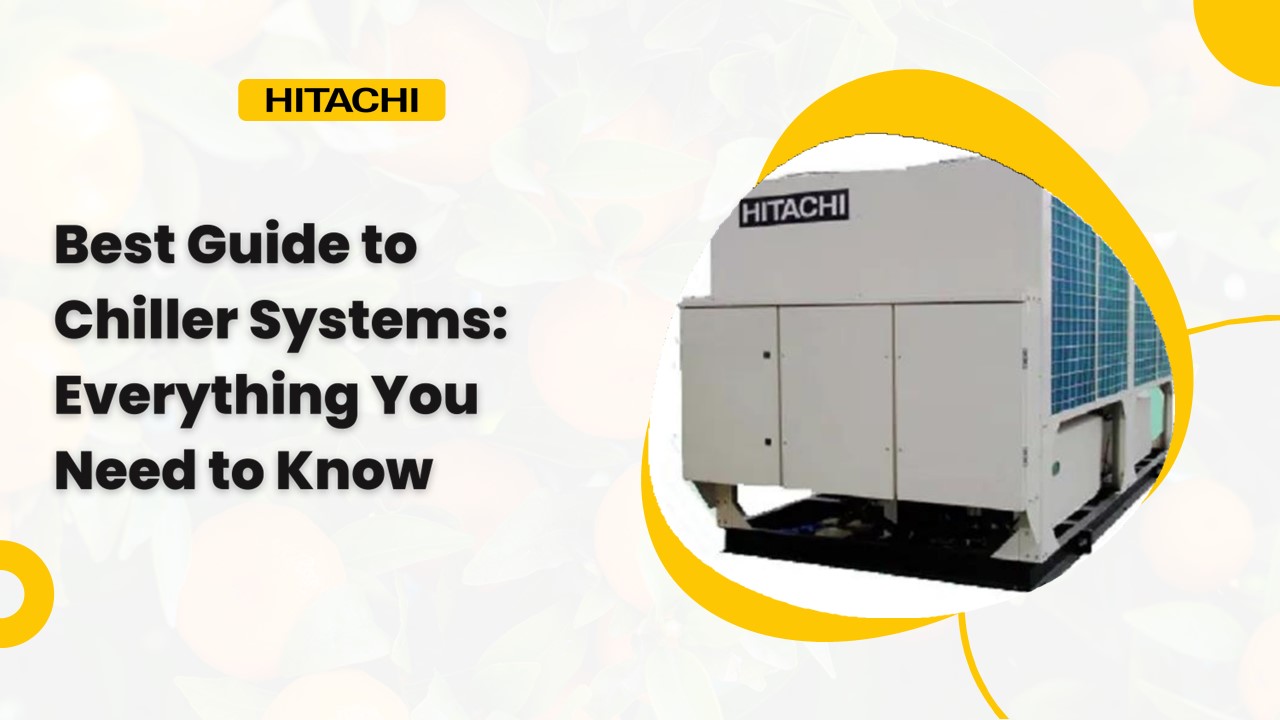
Title: Best Guide to Chiller Systems Everything You Need to Know
1
(No Transcript)
2
A chiller is an HVAC (heating, ventilation and
air conditioning) component that keeps the
equipment cool. This is done by using chilled
fluid or water. The chiller's purpose is to
remove heat from one area and then release it in
another. Two types of commercial industrial
chillers are commonly used in the industrial
sector water- and air-cooled chillers. Both
industrial chiller systems do the same job but
the cooling medium used to cool the machinery is
what sets them apart.
3
It is easy to see how chillers work by thinking
about them in terms of the human body. If the
HVAC unit were the body, the chiller would then
be the lungs. Your heart pumps oxygenated blood
to your lungs, where gas exchange is possible.
This exchange replaces carbon dioxide with
oxygen. This scenario will replace blood with
liquid, heat with carbon dioxide, and cold with
oxygen. The machine pumps warm fluid or water to
the chiller. The refrigerant is then cooled by
heat exchange at the chiller. The refrigerant
that has been chilled is then sent to the outside
for a restart of the cooling cycle.
How does a chiller work?
4
The Different Types of Chillers
05
Air-cooled chiller This chiller uses ambient air
cooling the hot refrigerant. This chiller is
most common and can be found outside. Air-cooled
chillers can be less efficient than water-cooled
chillers, but they are still more
energy-efficient.
Water-cooled chiller This chiller cools
equipment using water, as the name implies. This
chiller uses a two-step process, unlike the
air-cooled chiller. The hot equipment converts
chilled water into heated water vapour.
5
Improving Efficiency through Maintenance
Chillers can be a drain on your energy bills.
Chillers are responsible for about 40 of energy
consumption in industrial and commercial
buildings. Refrigerant leaks and other problems
can cause chillers to consume more energy than
properly functioning machines. To maximize
profits, ensure your chiller runs as efficiently
as possible.
6
Clean the coils
Verify your refrigerant charge Make certain you
have enough refrigerant. Cooling costs can be
reduced by having enough refrigerant.
Heat transfer happens in the condenser coils. It
will be more difficult for the system cool down
to cool off the refrigerant if gunk and other
debris build up.
7
11
Check condenser water
Water can be impeded by sand and other erosive
substances, which can cause cooling efficiency
to suffer.
8
Contact
Website www.hitachiaircon.com/in Address -
301,Third Floor, DMRC Building New Ashok Nagar
Metro Station New Delhi - 110096
9 1( 1 1 )2 2 7 1 7 1 6 1
9
- Thank You
- w w w . h i t a c h i a i r c o n . c o m / i n
Recommended

