

Safety at the Core: Whiskey Distillery Best Practices PowerPoint PPT Presentation
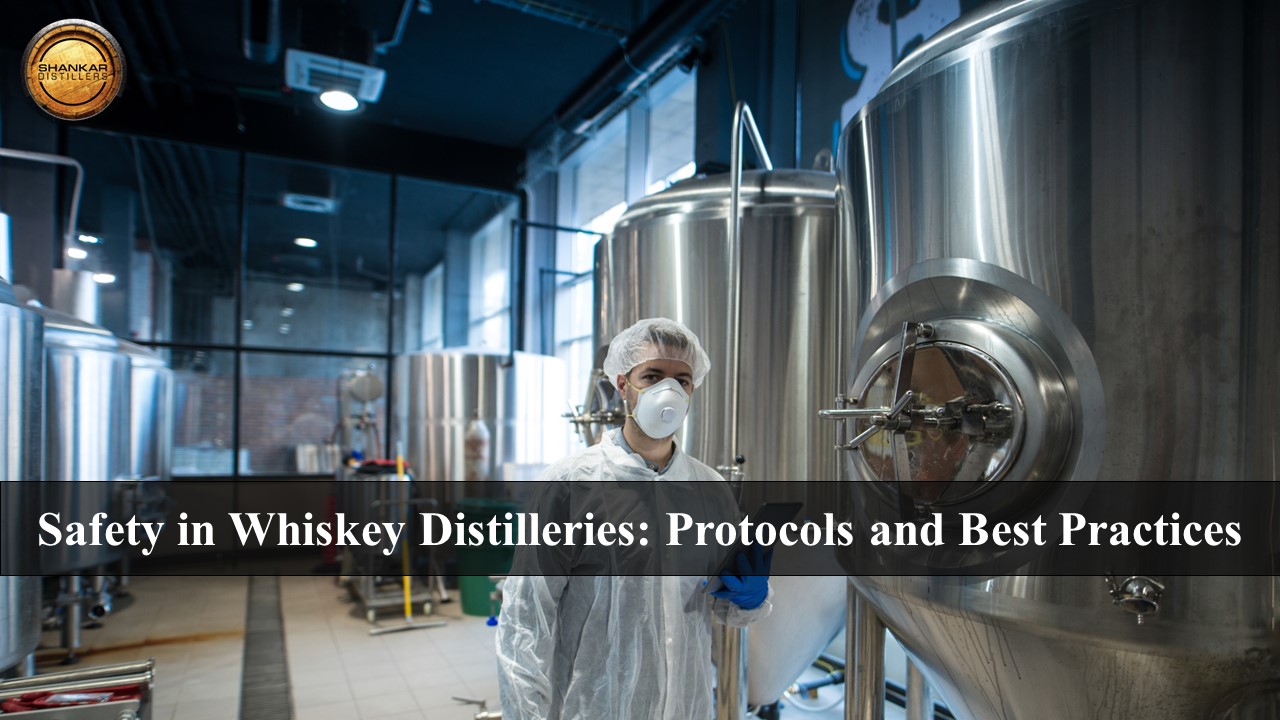
Title: Safety at the Core: Whiskey Distillery Best Practices
1
Safety in Whiskey Distilleries Protocols and
Best Practices
2
In the world of premium whiskey distillers across
the USA, the art of crafting exceptional spirits
intertwines with the importance of maintaining a
safe and secure work environment. Behind the
allure of aged barrels and carefully curated
flavors lies a diligent commitment to safety
protocols and best practices. Distilleries,
renowned for their craftsmanship, also prioritize
stringent measures to protect both their
employees and the integrity of their
operations. Safety within whiskey distilleries
isnt merely a compliance requirement its an
integral aspect that ensures the smooth
functioning of operations and the well-being of
everyone involved. From the moment raw materials
arrive at the distillery to the final packaging
of the refined product, a series of meticulous
safety measures are employed.
3
- Understanding the Importance
- The distillation process involves various
elements that, if not handled properly, could
pose significant risks. From the handling of raw
materials to operating complex machinery, each
step demands a keen focus on safety. Distillery
safety protocols are designed to mitigate these
risks and prevent accidents that could jeopardize
both human lives and the quality of the product. - Best Practices for Distillery Safety
- Employee Training Educating and training
employees on safety measures is paramount.
Regular workshops, simulations, and comprehensive
guidelines ensure that each individual
understands the risks associated with their tasks
and knows how to handle them effectively. - Risk Assessment and Management Conducting
thorough risk assessments helps identify
potential hazards. Implementing robust risk
management strategies involves proactive measures
to mitigate these risks, such as equipment
maintenance schedules, emergency protocols, and
regular safety audits.
4
- Personal Protective Equipment (PPE) Providing
appropriate PPE, including gloves, goggles,
aprons, and masks, ensures that employees are
adequately protected during different stages of
the distillation process. - Equipment Safety Checks Regular maintenance and
inspections of equipment, machinery, and storage
facilities are essential. This minimizes the
chances of malfunctions that could lead to
accidents. - Chemical Handling and Storage Strict guidelines
for the handling, storage, and disposal of
chemicals used in the distillation process are
imperative. Proper labeling, storage conditions,
and training on handling hazardous materials
reduce the risk of accidents.
5
Employee Empowerment and Culture In fostering a
culture of safety, employee involvement plays a
pivotal role. Encouraging open communication
channels for reporting hazards or suggesting
improvements cultivates a sense of ownership and
responsibility. This collaborative approach
ensures that safety measures are not just
implemented but actively followed and continually
improved upon. Adhering to Regulations and
Evolving Practices As with any industry, the
landscape of safety practices and regulations
evolves. Premium whiskey distillers must stay
updated with the latest safety standards,
technologies, and practices to continuously
enhance their safety protocols.
6
Conclusion For premium whiskey distillers in the
USA, ensuring the safety of their workforce and
operations isnt just a legal obligationits a
moral imperative. By implementing comprehensive
safety protocols, best practices, and fostering a
culture of vigilance, distilleries can continue
to craft their exquisite spirits while
prioritizing the well-being of those who bring
these beverages to life. Safety isnt just a step
in the process its the cornerstone of a
thriving and responsible distillery industry.
7
Thank You
Follow us on
Recommended

