

Japan 37 Colors of life4 PowerPoint PPT Presentation
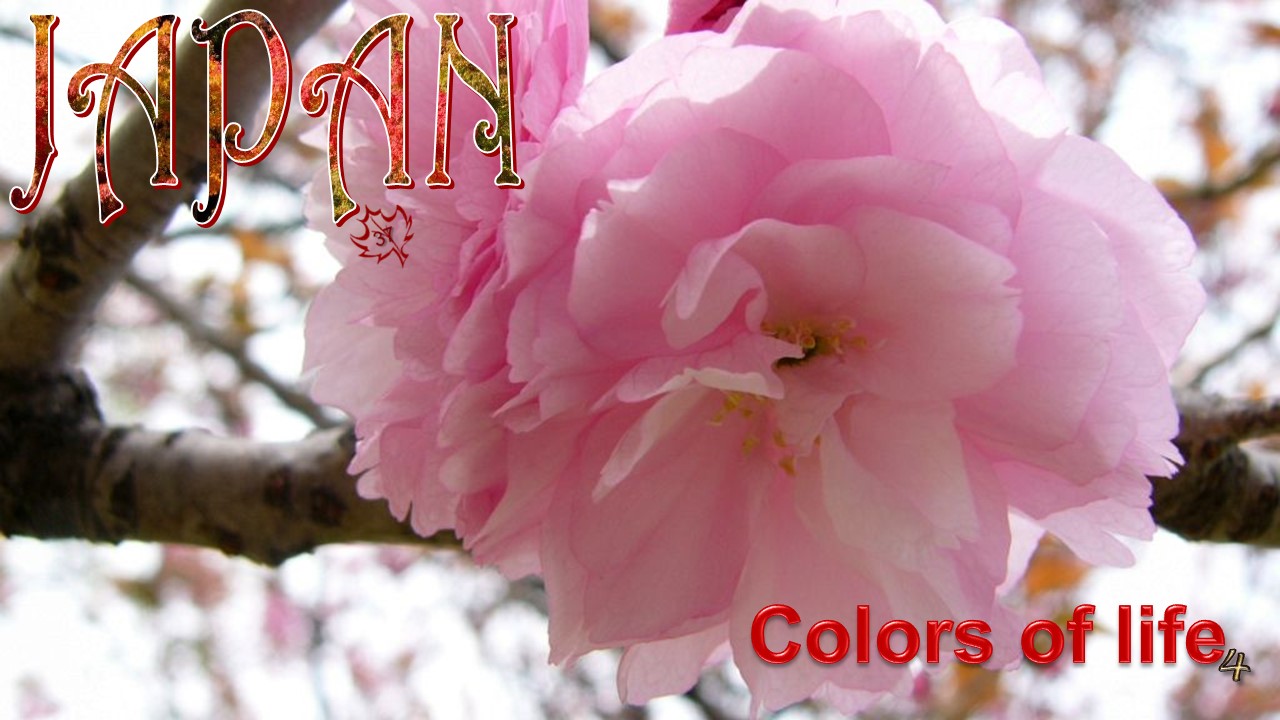
Title: Japan 37 Colors of life4
1
JAPAN
Colors of life
4
2
(No Transcript)
3
(No Transcript)
4
Hanami ("flower viewing") is the Japanese
traditional custom of enjoying the transient
beauty of flowers, flowers ("hana") in this case
almost always referring to those of the cherry
("sakura") or, less frequently, plum ("ume")
trees. From the end of March to early May, sakura
bloom all over Japan, and around the first of
February on the island of Okinawa
Himeji Castle is the largest and most visited
castle in Japan, and it was registered in 1993 as
one of the first UNESCO World Heritage Sites in
the country
5
Japanese natural monument Miharu Takizakura,
Beni weeping cherry, estimated age is more than
1000
6
(No Transcript)
7
Kawazu, a town famous for the earliestcherry
blossoms near Tokyo Area
8
Kawazu
9
The blossom forecast (sakura-zensen), literally
cherry blossom front) is announced each year by
the weather bureau, and is watched carefully by
those planning hanami as the blossoms only last a
week or two
Kawazu
10
(No Transcript)
11
In modern-day Japan, hanami mostly consists of
having an outdoor party beneath the sakura during
daytime or at night. In some contexts the
Sino-Japanese term kan'o (view-cherry) is used
instead, particularly for festivals
12
Hanami at night is called yozakura (literally
night sakura). In many places such as Ueno Park
temporary paper lanterns are hung for the purpose
of yozakura. On the island of Okinawa, decorative
electric lanterns are hung in the trees for
evening enjoyment, such as on the trees ascending
Mt. Yae, near Motobu Town, or at the Nakijin
Castle
Osaka Castle yozakura illuminated cherry trees
in bloom in the Nishinomaru Garden
13
(No Transcript)
14
Sakura at the lake in Heian shrine Kyoto
15
(No Transcript)
16
A more ancient form of hanami also exists in
Japan, which is enjoying the plum blossoms (ume)
instead, which is narrowly referred to as umemi
(plum-viewing). This kind of hanami is popular
among older people, because they are calmer than
the sakura parties, which usually involve younger
people and can sometimes be very crowded and noisy
17
Utagawa Hiroshige I (Japanese, 17971858)
Hanami in Osaka - Cherry-blossom Viewing on the
Hill of the Tenjin Shrine in Yasui (Yasui
Tenjinyama hanami), from the series Famous Views
of Osaka (Naniwa meisho zue) Museum of Fine Arts
Boston
18
Utagawa Kunisada (Japanese, 1786 1865)
Viewing cherry blossoms, woodblock print (1852)
Utagawa Hiroshige I (Japanese, 17971858) Views
of Mount Fuji Series 7
19
Sakai Hoitsu (Japanese, 17611828) Maples and
Cherry Trees The Denver Art Museum
20
Utagawa Hiroshige I (Japanese, 17971858) Goten
yama Hanami no Zu, 1847 - 1848
21
Utagawa Hiroshige Goten yama Hanami no Zu,
fragment
22
(No Transcript)
23
The pattern on this lovely and handy tea mat is
called SAKURA, or cherry blossom in Japanese
24
Cherry Blossom Viewing Picnic, ca. 1624-1644
Brooklyn Museum
25
Yôshû Chikanobu (Hashimoto Chikanobu) (Japanese,
18381912) A triptych depicting
a Hanami (flower-viewing party) in
the Ooku (harem) of the imperial palace
at Chiyoda National Diet Library Tokyo
26
Yôshû Chikanobu Hanami - detail
27
Yôshû Chikanobu Hanami - detail
28
Not only nation flower of Japan, the cherry
blossoms are also used in the culinary industry
to create the unique flavor and add beauty to the
dishes. Sakura Tea is a traditional type of
Japanese tea, it is always brewed from salted
petals to retain color and flavor
29
Sakurayu, or cherry blossom tea, is a Japanese
infusion created by mixing pickled cherry
blossoms with boiled water. This combination
becomes a type of herbal tea, and has been
enjoyed in East Asian culture for many
generations This type of tea is often used in
weddings by pure taste, elegant beauty and
bringing good luck to everyone
30
Salt Pickled Sakura Cherry Blossoms
31
The main ingredient, cherry blossoms petals, is
harvested when the cherry trees bloom from mid to
late spring. After the calyxes are removed, the
petals are then pickled in plum vinegar and salt
and the product subsequently dried. The dried
cherry blossoms are then stored or sealed in tea
packets and sold.
Salt Pickled Sakura Cherry Blossoms
32
(No Transcript)
33
In order to produce sakurayu, a few such dried,
salt-pickled blossoms must be sprinkled into a
cup of hot water. Once covered in hot water, the
collapsed petals unfurl and float. The herbal tea
is then allowed to steep until the flavor reaches
its desired intensity. The resulting drink tastes
slightly salty. There is a Japanese expression
"Ocha wo Nigosu." "Ocha" is green tea, and
"Nigosu" means to make unclear. So the term
itself will literally translate to to make the
tea cloudy. However, the meaning of this
expression is to "be evasive," "be vague," or
"non-committal." This denotation is why green tea
is not served at weddings, but "Sakura-yu" is
served as it represents "beginning," which is
most appropriate for a wedding.
34
Recipes to keep the cherry blossoms beautiful and
fresh to can be used all year as salting the
flowers. Principle choose cherries to dry salt
is quite strict, the flowers were blooming about
7 sections and the intact stem. Since centuries
ago, the Japanese soaked cherry blossoms in
apricot vinegar to preserve characteristic pink,
then soaked with salt and kept for 3-4 weeks and
exposed to dry. This is the traditional method
to preserve intact the colors and flavors of
cherry blossoms throughout the year.
35
A classic wagashi (tea sweet) for the season, the
sakura mochi
Sakura Mochi is an indispensable cake type on
each cherry blossom season. This traditional
glutinous cakes made from salted petals, often
sold in March, in April every year, especially in
Hina matsuri festival. Sakuramochi consists of a
sweet pink mochi (rice cake) and red bean paste,
covered with a leaf of sakura (cherry blossom)
36
Sakura mochi
Sakura mochi an bean paste
37
pen set cherry blossom wedding supplies
38
Flower sushi
39
Ice cream Towada
40
(No Transcript)
41
Sakura Udon
42
Sakura Yokan agar jelly dish for hot summer
days. Yokan is a kind of jelly made from Japanese
traditional seaweed flour, the most common is the
red beans. Each piece of Yokan like an extremely
beautiful artworks, makes many people not want to
eat but admire
43
Sakura sake alcohol
44
Sakura Liquor
Sake has been an integral part of Hanami
traditions since the very beginning and some
believe a drop of sake is essential to properly
appreciate the flowers.
45
(No Transcript)
46
(No Transcript)
47
Sakura macaron is a great example of elegant
combination between Western cuisine and Japan
cuisine. The pretty small macaron cookies always
in the top of the pastries are loved by Japanese
youth
48
Not only in combination with cakes, cherry
blossoms are also ground into the dough to be
marinated noodles to create signature pink. Cold
noodles Sakura are very popular in Japan in
summer, especially when eaten with scrumptious
soy sauce
49
This is a pair of Kyo-yaki (Japanese ceramics)
pottery tea cups. Large cup (black) is for men
and small cup (red) is for women. The elegant
cherry blossom design adds more Japanese taste to
it
Kyo-yaki is made in Higashiyama area in Kyoto. It
started about 1590s, developed with the
popularity of tea ceremony. Formerly, Kyoto was
the capital city of Japan. Therefore, first-class
artists and craftsmen gathered there to work, and
Kyo-yaki has the traditional taste of the court.
Most of them are over enameled after sintered.
One of the famous artists who stylized Kyo-yaki
is Nonomura Ninsei who created the soft colored
enamels for Kyo-yaki
50
Hanami (flower viewing) During March to May, when
the cherry blossoms bloom, it is traditional for
people to gather together under cherry trees to
drink and eat elaborate boxed lunches and enjoy
themselves. This popular activity still happens
today during lunch-times and evenings, when
delicious food is eaten, sake is drunk and
everyone has fun!
Tokyo
51
A set of stacking boxes for bento called "jubako"
Hanami bento Bento is a single-portion takeout
or home-packed meal common in Japanese cuisine. A
traditional bento holds rice, fish or meat, with
pickled or cooked vegetables, usually in a
box-shaped container
52
Japanese bento lunch box
53
Bento Lunch Box with Belt, Kaga Traditional
Kimono Pattern
54
Miyako Odori hanami
55
Miyako Odori hanami
56
Miyako Odori hanami
57
Miyako Odori hanami
58
The Miyako Odori is a Geisha dance performance
held the month of April inKyoto
59
(No Transcript)
60
(No Transcript)
61
Text pictures Internet All copyrights belong
to their respective owners Presentation
Sanda Foisoreanu
2016
Sound Traditional Hida folk song -
Shossho
62
1
10
6
2
3
7
Colors of life
Recommended

