

Tips for Teaching English in Japan | Chinwag Tuesdays Podcast PowerPoint PPT Presentation
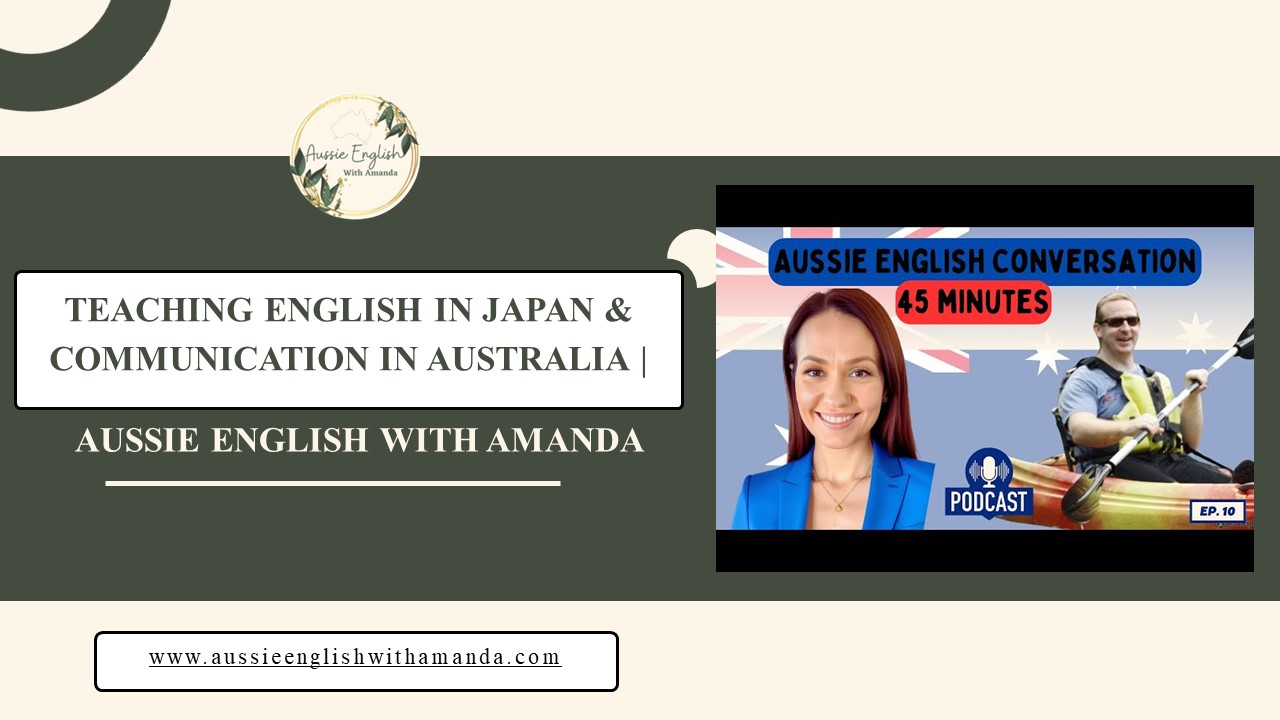
Title: Tips for Teaching English in Japan | Chinwag Tuesdays Podcast
1
TEACHING ENGLISH IN JAPAN COMMUNICATION IN
AUSTRALIA
AUSSIE ENGLISH WITH AMANDA
www.aussieenglishwithamanda.com
2
INTRODUCTION
Teaching English in Japan and understanding
communication in Australia are fascinating
topics. Both involve unique experiences that
highlight cultural differences and similarities.
Whether you're planning to teach English abroad
or just curious about different communication
styles, Aussie English with Amanda and their
podcast will give you a clearer picture of what
to expect.
TEACHING ENGLISH IN JAPAN
Japan is a popular destination for English
teachers. The country is known for its rich
culture, advanced technology, and polite society.
Teaching English in Japan offers immersion in a
new culture while helping students improve their
English skills.
3
REQUIREMENTS QUALIFICATIONS
To teach English in Japan, most schools require
you to have
- A bachelor's degree
- Native or near-native English proficiency
- A TEFL (Teaching English as a Foreign Language)
certification
While a degree in education or previous teaching
experience is beneficial, its not always
necessary.
4
ALT (Assistant Language Teacher)
Eikaiwa (English Conversation Schools)
TYPES OF TEACHING JOBS
International Schools
Private Tutoring
5
TYPES OF TEACHING JOBS
ALT (Assistant Language Teacher) Usually placed
in public schools, ALTs work alongside Japanese
teachers to assist with English lessons.
Eikaiwa (English Conversation Schools) These are
private language schools where you teach
conversational English to students of all ages.
International Schools These schools follow
international curricula and require teachers to
have a teaching licence and experience.
Private Tutoring Many teachers supplement their
income by offering private English lessons.
6
DAILY LIFE WORK CULTURE
Teaching English in Japan comes with a unique
work culture. Punctuality and professionalism are
highly valued. Schools often have strict dress
codes, and it's essential to show respect to
colleagues and students. Youll also find that
students are generally respectful and eager to
learn.
Outside of work, Japan offers a plethora of
experiences, from historical temples and
beautiful landscapes to beautiful cities and
delicious cuisine. Learning some basic Japanese
from Aussie English With Amanda can greatly
enhance your experience and help you connect with
the local community.
7
THE AUSTRALIAN WAY OF COMMUNICATING
Australia is known for its relaxed and friendly
communication style. Australians value directness
and honesty but do so with a sense of humour and
informality. Understanding these things can help
you understand more easily if you plan to visit
or move to Australia.
KEY CHARACTERISTICS OF AUSTRALIAN COMMUNICATION
- Directness Australians appreciate
straightforward communication. They usually speak
frankly without mincing words. - Informality Titles and formalities are often
dropped. Its common to address people by their
first names, regardless of their position. - Humour Australians love to incorporate humour
into conversations, even in professional
settings. Sarcasm and irony are often used, so
its important to understand the context. - Body Language Non-verbal cues play a significant
role. Maintaining eye contact shows confidence
and honesty, while excessive hand gestures might
be seen as overly dramatic.
8
CHALLENGES FOR NON-NATIVES
Non-native English speakers might find the
Australian accent and slang challenging. However,
most Australians are patient and willing to help
you understand. That's why Aussie English with
Amanda recommend to newcomers watching Australian
TV shows and movies or listening to podcasts like
chinwag podcast can improve your knowledge and
familiarity with the accent. Australia is a
multicultural society, and it's important to be
respectful of different cultures and backgrounds.
Avoid making assumptions based on stereotypes,
and be open to learning about diverse
perspectives.
9
Both teaching English in Japan and understanding
communication in Australia require adaptability
and openness to new experiences. Whether youre
navigating the formal and respectful Japanese
work culture or the informal and direct
Australian way of communicating, being aware of
these cultural differences will help you succeed
and enjoy your time in both countries. If you
still have any doubt you can visit Amanda's
official website "Aussie English With Amanda" can
listen or watch their podcast and text them
regarding your doubts. Her team will guide you in
the right way so that you can increase your
language skills.
10
THANK YOU
www.aussieenglishwithamanda.com
Recommended

