

(PDF) Psychopharmacology: Drugs, the Brain, and Behavior 2nd Edition Android PowerPoint PPT Presentation
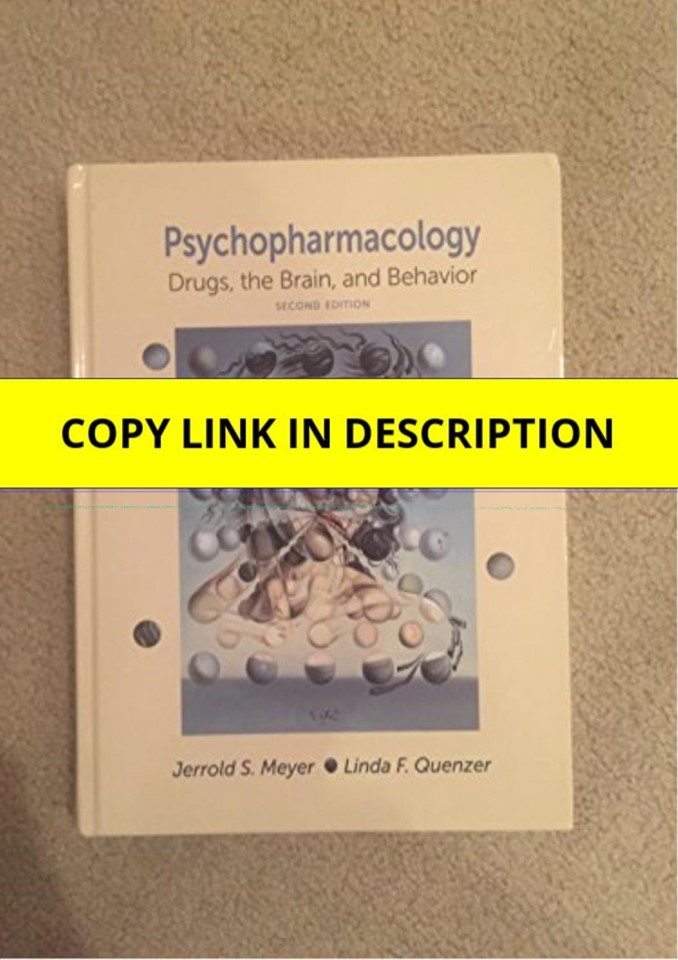
Title: (PDF) Psychopharmacology: Drugs, the Brain, and Behavior 2nd Edition Android
1
(E
P d
D it
F io
) n
P sAy
c
h r
o o
p
h
a
r
m d
a le
c ,
o (
l P
o
Dg yF ) DP s
r y
u c
g h
s o
,
pt h ea r
B m
r a
a c
in o
, lo
a g
n y
d
B D
e r
h u
a g
v s
i
o t
r h
2 e
n B
d r a
E i
d n
i ,
t i a
o n
n d
A B
n e
d h
r o a
i v
d io
d r
o 2
w n
n d
lo E
a d
d it
P io
D n
F
A, rn
e d
a r
d
o i(dP
D
F r
) a
P u
s d
y
ioc hb oo po
a (
r P
m D
a F
c) o
los gy yc
h
D
r h
u a
g r
s m
,
t hc eo lo
B g
r a y
i
n D
,
ar u
n g
d
s B,
e
h e
a vBiroar in
2 ,
n da
E
d B
it ieo
n
A i
n o
d r
r 2
o n
id d
,
p
d i
f t i
( o
P n
D
AF )n
P
s o
yicd
h f
o o
pr hi ap ra
m d ,
a (
c P
o
DloF g) y
D c
r h
u o
g p
s h
,
t hr m
e
B
r o
a l
i o
n g
,
a
n D
d
B
e g
hs ,a vt hio
e r
2
n a
d in
E ,
d
aint ido n
Ae h
n a
d v
r oioid
, d
o d
w E
n d
loit
a io
d n
rAe na d r
( o
P
idD Ff o
)
P
s
ny dc hr o
o i
p d
h ,
a (
r P
m D
a F
c) o
los y
g c
y h
D
r h
u a
g r
s m
,
t hc o
e lo
B
gr ay in
D ,
a
n g
d
s ,B te
h
a v B
i r
o a
r in
2 ,
n a
d n
E d
d B
it e
io h
n a v
A i
n o
d r
r 2
o n
id d
P E
D d
F it
, i
f o
u n
ll
d
o d
w r
n o
l i
o d
a p
d a
( p
P a
D r b
F a
)
P
s ,
y (
c P
h D
o F
p )
h a P
r s
m y c
a h
c o
o p
lo h
g a
yr m
D
a rc u
g
s g
,
t
h eD r
B u
r g
a s
in ,
, t h
a e
n
d
B a
e in
h ,
a v a
i n
o
dr 2B ne dh a
E v
d
ioitrio
2 n
n Ad
n E
d d
r i
o t i
i o
d n
,
f A
u n
ll d
e r
b o
o
o
k
(
llP fDr eF e)
P a
s c
y c
c e
h s
o
p o
h
wa nr mlo
a a
c d
o
flor e
g e
y
D
or uo
g s
, P
t D
h F
e )
B P
r s
a
yinc h
,
a
n h
d a
B
e
h
a
v o
i l
o o
r g y
2
n dD r
E u
d
gits
i ,
o
A
n B
d r
r a
oi ind
, e
p n
u d
b B
( e
P h
D a
F v
) io
P r
s 2
y n
c hd o
p
h i
a t i
r o
m n
a A
c n
o d
lo r
g o
y id
, d
D o
r w
u g n
s lo
,
at dh e( P
B D
r a F
i )
n ,P
a
n c
d h o
B p
e h
h a
a r
v m
io a
r c
2 o
n lo
d
g Ey d i
t ior
n
A
s ,n td
r
o idB
, r
d a
o
inw, nalon
a d
d B
f e
r
he ea v
( i
P o
D r
F 2
)
n dP s
y
c i
ht oi
p
h aA r
m
a o
c i
o d
lo p
g d
yf , PD
r u
g
s (
, P
t D
h F
e )
B P
r s
a
yinc h
,
a
n h
d a
B
r me h
a
v o
i l
o o
r g y
2
n dD r
E u
d
gits
i ,
o nt
A
n B
d r
r a
oi ind
, r
e n
a d
d
Bf re
e h
e
a v( Pio
D r
F 2
) n
P d
s y E
c d
h it
o io
p n
h a A
r n
m d
ar oc oidlo, Dg Oy
D
r P
u D
g F
s )
,
t h
e y c
B h
r o
a p
in h
,
a ar
n da c
B o
e lo
h g
a y
v
io D
r
2
n g
d s ,
E t
d
hiteio
n
A
in ,d r
a o
nidd , GB
e
t
a
c i
c o
e r
s 2
( n
P d
D
EF )d
P
s o
y n
c h A
o n
p d
hr ao ri
d m a c o lo g y D r u g s , t h e B r a in , a
n d B e h a v io r 2 n d E d it io n A n d r o id
, E - b o o k ( P D F ) P s y c h o p h a r m a c
o lo g y D r u g s , t h e B r a in , a n d B e
h a v io r 2 n d E d it io n A n d r o id d o w n
lo a d , P D F E P U B ( P D F ) P s y c h o p
h a r m a c o lo g y D r u g s , t h e B r a in
, a n d B e h a v io r 2 n d E d it io n A n d r
o id , o n lin e ( P D F ) P s y c h o p h a r m
a c o lo g y D r u g s , t h e B r a in , a n d
B e h a v io r 2 n d E d it io n A n d r o id r e
a d d o w n lo a d , f u ll ( P D F ) P s y c h
o p h a r m a c o lo g y D r u g s , t h e B r
a in , a n d B e h a v io r 2 n d E d it io n A n
d r o id r e a d d o w n lo a d , ( P D F ) P s
y c h o p h a r m a c o lo g y D r u g s , t h
e B r a in , a n d B e h a v io r 2 n d
n d
i
d
k in
f o
k ,
P
o p
a
n d
h a v
E d
d r
P s y
a
a c
y
r u
B r
B
r
2 n
r
a
P
o p
a
r u
h e
A n
c k
o lo
y
B
r
i
d
f
u
e
b
k
(
o p
r
m
a c
t
h
,
a
E d
s y
D
u g
h e
E d
o n
n d r
D F
o p
a c
h e
,
a
C
(
P s
m
r u
B r a
e h
a v
it i
2
Description
The first edition of Psychopharmacology Drugs,
the Brain, and Behavior, published in 2004, was
unique in its breadth of coverage ranging
from historical accounts of drug use to clinical
and preclinical behavioral studies to the latest
research on drug effects in transgenic mouse
models. Now extensively updated, the new second
edition features A new and timely discussion of
emerging substances of abuse such as Salvia
divinorum, spice or K2, and bath salts
Presentation of key biological concepts such
as epigenetics to help students understand
current ideas about how mental illnesses arise
and how drugs act on the brain to treat these
illnesses Two new chapters that provide detailed
information on various neurodegenerative disorders
and the effects of neurotoxicants and endocrine
disruptors on brain function and behavior A
student Companion Website that contains
outlines, flashcards and key terms, select
animations, and web boxes for further exploration
An Instructor's Resource Library that contains
all textbook figures and tables, lecture
PowerPoints, and a test bank.Student engagement
with the material is fostered by opening each
chapter with a relevant vignette and by providing
breakout boxes presenting novel and, in some
cases, controversial topics for special
discussion. Box themes include History
of Psychopharmacology, Pharmacology in Action,
Clinical Applications, and The Cutting Edge. The
book is lavishly illustrated with full color
photographs and line art depicting important
concepts and experimental data.Psychopharmacology
Drugs, the Brain, and Behavior, Second Edition
is appropriate for undergraduate or beginning
level graduate courses in psychopharmacology or
drugs and behavior that emphasize
relationships between the behavioral effects of
psychoactive drugs and their mechanisms
of action.RESOURCESFor StudentsNew for the Second
Edition, the Psychopharmacology Companion Website
includes a variety of resources to help students
learn and review the material presented in the
textbook, and to expand the coverage of the
textbook. The site includes the following
Chapter Outlines Animations Detailed, narrated
animations of some of the key complex processes
described in the textbook Web Boxes presenting
novel or cutting edge topics for special
discussion Web Links A collection of suggested
websites related to each chapter Flashcards Key
Terms A great way for students to learn and
review the key terminology introduced in
each chapterFor InstructorsAvailable to qualified
adopters of the textbook, Psychopharmacology's
Instructor's Resource Library provides
instructors with a range of resources to help
them prepare their lectures and assess
their students. The IRL includes the following
Textbook Figures Tables All of the figures
(art and photos) and tables from the textbook are
provided both as high resolution and low
resolution JPEG images. PowerPoint
Presentations Two
3
presentations are provided for each chapter of
the textbookAll figures and tables from the
chapter, ready to insert into custom
presentations A complete lecture presentation
that includes comprehensive lecture notes and
selected figures Test Bank (see below for
details) Computerized Test BankIncluded in the
Instructor's Resource Library, the
Psychopharmacology Test Bank includes 50 test
questions per chapter, consisting of
approximately forty multiple choice, and ten
short answer. The questions have been designed
to provide instructors with a good selection of
factual and conceptual questions, at a range of
difficulty levels. The test bank is provided as
Microsoft Word files.In addition to the Microsoft
Word version of the Test Bank, all questions are
available in Wimba's Diploma test creation
software (software included). Diploma makes it
easy to create quizzes and exams using any
combination of publisher provided questions and
your own questions, and to print or publish your
exams for online use.
4
BESTSELLER
5
(PDF) Psychopharmacology Drugs, the Brain, and
Behavior 2nd Edition Android
Simple Step to Read and Download
1. Create a FREE Account
2. Choose from our vast selection of EBOOK and PDF
3. Please, see if you are eligible to Read or
Download book (PDF) Psychopharmacology Drugs,
the Brain, and Behavior 2nd Edition Android
4. Read Online by creating an account (PDF)
Psychopharmacology Drugs, the Brain, and
Behavior 2nd Edition Android READ MAGAZINE
6
Description
The first edition of Psychopharmacology Drugs,
the Brain, and Behavior, published in 2004, was
unique in its breadth of coverage ranging from
historical accounts of drug use to clinical and
preclinical behavioral studies to the latest
research on drug effects in transgenic mouse
models. Now extensively updated, the new second
edition features A new and timely discussion of
emerging substances of abuse such as Salvia
divinorum, spice or K2, and bath salts
Presentation of key biological concepts such as
epigenetics to help students understand current
ideas about how mental illnesses arise and
how drugs act on the brain to treat these
illnesses Two new chapters that provide detailed
information on various neurodegenerative
disorders and the effects of neurotoxicants and
endocrine disruptors on brain function and
behavior A student Companion Website that
contains outlines, flashcards and key
terms, select animations, and web boxes for
further exploration An Instructor's Resource
Library that contains all textbook figures and
tables, lecture PowerPoints, and a test
bank.Student engagement with the material is
fostered by opening each chapter with a relevant
vignette and by providing breakout
boxes presenting novel and, in some cases,
controversial topics for special discussion. Box
themes include History of Psychopharmacology,
Pharmacology in Action, Clinical Applications,
and The Cutting Edge. The book is lavishly
illustrated with full color photographs and line
art depicting important concepts and experimental
data.Psychopharmacology Drugs, the Brain, and
Behavior, Second Edition is appropriate for
undergraduate or beginning level graduate courses
in psychopharmacology or drugs and behavior that
emphasize relationships between the behavioral
effects of psychoactive drugs and
their mechanisms of action.RESOURCESFor
StudentsNew for the Second Edition, the
Psychopharmacology Companion Website includes a
variety of resources to help students learn and
review the material presented in the textbook,
and to expand the coverage of the textbook. The
site includes the following Chapter Outlines
Animations Detailed, narrated animations of
some of the key complex processes described in
the textbook Web Boxes presenting novel or
cutting edge topics for special discussion Web
Links A collection of suggested websites related
to each chapter Flashcards Key Terms A great
way for students to learn and review the key
terminology introduced in each chapterFor Instruct
orsAvailable to qualified adopters of the
textbook, Psychopharmacology's Instructor's
Resource Library provides instructors with a
range of resources to help them prepare their
lectures and assess their students. The IRL
includes the following Textbook Figures
Tables All of the figures (art and photos) and
tables from the textbook are provided both as
high resolution and low resolution JPEG images.
PowerPoint Presentations Two presentations are
provided for each chapter of the
textbookAll figures and tables from the chapter,
ready to insert into custom presentations A
complete lecture presentation that includes
comprehensive lecture notes and selected figures
Test Bank (see below for details) Computerized
Test BankIncluded in the Instructor's Resource
Library, the Psychopharmacology Test Bank
includes 50 test questions per chapter,
consisting of approximately forty multiple
choice, and ten short answer. The questions have
been designed to provide instructors with a good
selection of factual and conceptual questions, at
a range of difficulty levels. The test bank is
provided as Microsoft Word files.In addition to
the Microsoft Word version of the Test Bank, all
questions are available in Wimba's Diploma test
creation software (software included). Diploma
makes it easy to create quizzes and exams using
any combination of publisher provided questions
and your own questions, and to print or publish
your exams for online use.
7
(PDF) Psychopharmacology Drugs, the Brain,
and Behavior 2nd Edition Android
Recommended

