

Understanding thoracic Spinal Cord Injury : A Comprehensive Guide PowerPoint PPT Presentation
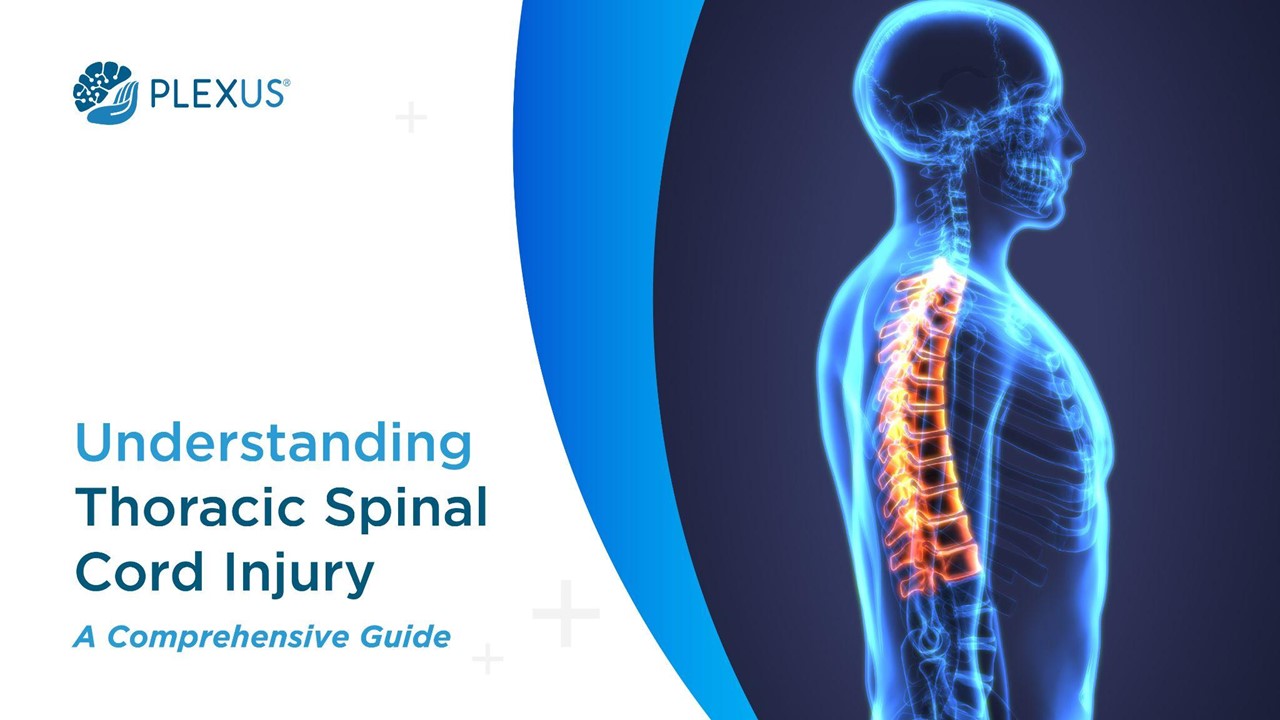
Title: Understanding thoracic Spinal Cord Injury : A Comprehensive Guide
1
(No Transcript)
2
What is a Spinal Cord Injury?
- Spinal cord injury (SCI) is the result of a
traumatic injury that bruises, partially tears,
or completely tears the spinal cord. Compression
of the spine or neck can be a potential cause of
SCI. - Common symptoms of an SCI include weakness, loss
of muscle function, bowel/bladder control issues,
loss of sensation. - The two types of SCI are
- Complete SCI Total paralysis below injury level,
can cause quadriplegia or paraplegia - Incomplete SCI Partial function remains, some
communication between brain and body
3
What Happens After An SCI?
An SCI is a devastating and debilitating injury.
It can cause extensive, and sometimes
irreversible damage. The two medical terms used
to describe an SCI patients condition
are Quadriplegia/Tetraplegia Loss of movement
and feeling in arms, legs trunk, pelvic
organs Paraplegia Loss of function and feeling
from the waist-down (trunk, legs, and pelvic
organs)
4
What is a Thoracic Spinal Cord Injury?
- The thoracic spine, consisting of twelve
vertebrae (T1 to T12). It is situated in the
upper and mid-back region, connecting the
cervical and lumbar spine. The spinal cord within
this segment is responsible for transmitting
signals between the brain and the rest of the
body, facilitating motor function and sensory
perception. - A thoracic spinal cord injury (SCI) refers to
damage or trauma affecting the spinal cord within
the thoracic region of the spine. Thoracic SCIs
may be caused by including traumatic incidents,
such - Falls
- Motor accidents
- Sports injuries
- Non-traumatic factors diseases, infections, or
degenerative conditions - The severity of a thoracic SCI depends on the
extent of the damage to the spinal cord, which
may lead to varying degrees of impairment.
5
Symptoms of Thoracic Spinal Cord Injury
- Most common symptoms are
- Motor impairment, paralysis, weakness in legs
- Spasticity Increased muscle tone and involuntary
muscle contractions, leading to stiffness and
spasms - Autonomic dysfunction Blood pressure
irregularities, temperature regulation, sexual
function changes, bowel and bladder dysfunction - Sensory changes Loss of sensation, altered pain
perception - Respiratory issues, bowel and bladder control
problems, spasticity - Lets look at symptoms by injury level,
- T1-T5 Injuries Affects upper thoracic segments,
impacting hand/arm function and respiratory
muscles - T6-T12 Injuries Affects abdominal muscles, lower
back, and legs
6
Additional Complications
- Neuropathic pain (burning, tingling, or shooting
sensations) - Musculoskeletal pain (from changes in posture and
mobility - Pressure sores caused by reduced mobility
- Depression
- Anxiety
7
SCI Rehabilitation at Plexus
- We offer customised rehabilitation plans that
feature a combination of - Physiotherapy - This can help individuals improve
mobility, strength, and flexibility through
targeted exercises. - Occupational therapy - It encourages the
individual to regain independence by teaching
them adaptive techniques for activities of daily
living, community re-entry, and other tasks that
they may like to engage in such as housework,
caring for others, work/school etc. - Respiratory Therapy - We regularly assess and
monitor respiratory function, recommend breathing
exercises to improve lung expansion and prevent
post-SCI complications like atelectasis, teach
coughing techniques to clear airways, implement
strategies to improve posture and chest
expansion, and other interventions deemed
necessary by experts (based on the individuals
symptoms and severity of injury).
8
SCI Rehabilitation at Plexus (Cont..)
- Stem cell therapy - Injected mesenchymal stem
cells (MSCs) can provide trophic support to the
injured spinal cord microenvironment. This is
done by modulating the inflammatory response,
increasing vascularisation and suppressing cystic
change. - Mobility Aids and Assistive Devices - These
include wheelchairs, braces and other aids to
improve mobility and everyday functionality, and
reduce external dependence. - Plexus also provides psychological support and
counseling for patients, families, and
caregivers. - It is important to keep in mind that management
of SCI symptoms is based on the following three
factors - Severity of injury
- Swift medical response to reduce secondary damage
as much as possible - Consistent rehabilitation
9
At Plexus, our team of experienced SCI
specialists is headed by Dr Naeem Sadiq, Indias
foremost neurologist and stem cell
specialist. To know more about our
rehabilitation programmes, you can reach out to
us on the below numbers WhatsApp 91 89048
42087 Call 91 78159 64668 (Hyderabad) 91
82299 99888 (Bangalore)
Recommended

