

Starting Your Own Wood Pellet Manufacturing Business - The Ultimate Guide PowerPoint PPT Presentation
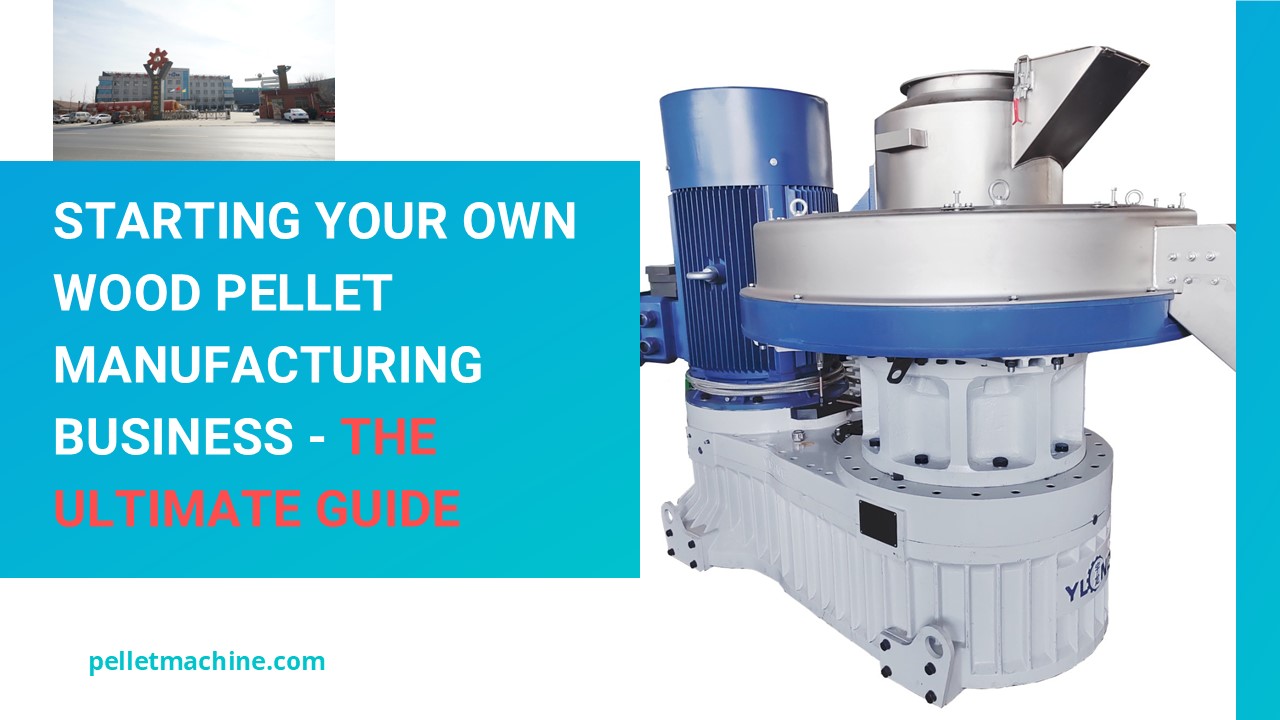
Title: Starting Your Own Wood Pellet Manufacturing Business - The Ultimate Guide
1
STARTING YOUR OWN WOOD PELLET MANUFACTURING
BUSINESS - THE ULTIMATE GUIDE
pelletmachine.com
2
Welcome To Yulong Machine Co., Ltd
Shandong Yulong Machine Co., Ltd. has positioned
itself as a leading manufacturer and supplier of
biomass pellet machinery. With over two decades
of industry experience, they have honed expertise
in creating equipment that facilitates the
conversion of various types of biomass into
energy-efficient pellets. Yulong offers custom
solutions tailored to the specific needs of their
clients, taking into account the raw material,
output, and factory space. Their product line
includes high-efficiency wood pellet mills, and
wood crusher, hammer mill, pellet cooler, drying
equipment, pellet packing machine besides biomass
pellet machine, designed for low power
consumption and high return on investment.
pelletmachine.com
3
Introduction
The demand for renewable energy sources has been
steadily rising, and along with it, the interest
in wood pellet manufacturing. Wood pellets, used
primarily for heating and as a fuel source in
power generation, offer a greener alternative to
traditional fossil fuels.
Starting your own wood pellet manufacturing
business can be lucrative, but requires careful
planning and execution. In this guide, we'll walk
you through the essential steps to launch your
venture successfully with wood pellet mill.
pelletmachine.com
4
Step 1 Market Research and Feasibility Study
Before diving into the wood pellet industry,
thorough market research is crucial. Understand
the demand for wood pellets within your target
market, identify potential customers, and study
your competitors. Research the local regulations,
subsidies, and certifications related to
renewable energy and biomass production. Conduct
a feasibility study to analyze the economic
viability of your project. This should include
cost projections, pricing strategies, and
expected return on investment. t
5
Step 2 Business Planning and Legal Framework
Create a comprehensive business plan outlining
your mission, vision, objectives, operational
strategy, financial projections, and marketing
approach. Decide on a suitable business structure
(e.g., LLC, corporation) and register your
company accordingly. Secure all necessary permits
and licenses to operate legally. Don't forget to
get insurance to protect your business from
potential risks.
pelletmachine.com
6
Step 3 Selecting the Location
Choosing the right location is pivotal. Ideally,
your wood pellet manufacturing plant should be
close to raw material sources and have access to
transportation infrastructure for both
procurement and distribution. Ensure that the
site meets zoning requirements and has enough
space for expansion as your business grows.
pelletmachine.com
7
pelletmachine.com
Securing a steady supply of raw materials is the
backbone of your operation. Wood pellets can be
made from various wood residues like sawdust,
wood shavings, or forestry wastes. Establish
relationships with timber mills, wood processing
factories, or forestry operations to secure a
consistent and affordable raw material supply.
Step 4 Raw Material Sourcing
8
pelletmachine.com
Step 5 Equipment and Technology
Investing in high-quality pellet-making equipment
is paramount to the success of your operation.
Research the various types of pellet mills (e.g.,
ring die, flat die) and auxiliary equipment
(e.g., hammer mills, dryers, coolers) to
determine which best fits your production needs.
Consider factors such as production capacity,
efficiency, and maintenance requirements.
Reliable suppliers, such as Yulong Machine Co.,
Ltd, offer a range of pellet machines that cater
to different scales of production.
9
pelletmachine.com
Step 6 Manufacturing and Quality Control
Develop a production process that is both
efficient and produces high-quality pellets.
Standardize operating procedures for your staff
to follow and implement strict quality control
measures to ensure the pellets meet industry
standards for size, density, and moisture
content. Regularly maintain and service your
equipment to minimize downtime and maximize
output.
10
Step 7 Sales and Distribution
Construct a strategic marketing plan to reach
potential clients, which may include local
heating suppliers, power plants, and even export
markets. Set up distribution channels to deliver
your product effectively and efficiently. Attend
trade shows and industry events to network and
build relationships with customers and suppliers.
11
Step 8 Sustainability and Growth
To solidify your business, adopt sustainable
practices such as sourcing raw materials
responsibly and minimizing waste. Explore
opportunities to use by-products like sawdust or
bark in your production process, potentially
creating additional revenue streams. As your
business matures, look for ways to expand your
market reach, enhance your production capacity,
and innovate with new products and services.
To solidify your business, adopt sustainable
practices such as sourcing raw materials
responsibly and minimizing waste. Explore
opportunities to use by-products like sawdust or
bark in your production process, potentially
creating additional revenue streams. As your
business matures, look for ways to expand your
market reach, enhance your production capacity,
and innovate with new products and services.
12
Our Contact Here
13
THANK YOU
Recommended

