

Bourbon vs. Rye: A Guide to Flavor and Use PowerPoint PPT Presentation
Title: Bourbon vs. Rye: A Guide to Flavor and Use
1
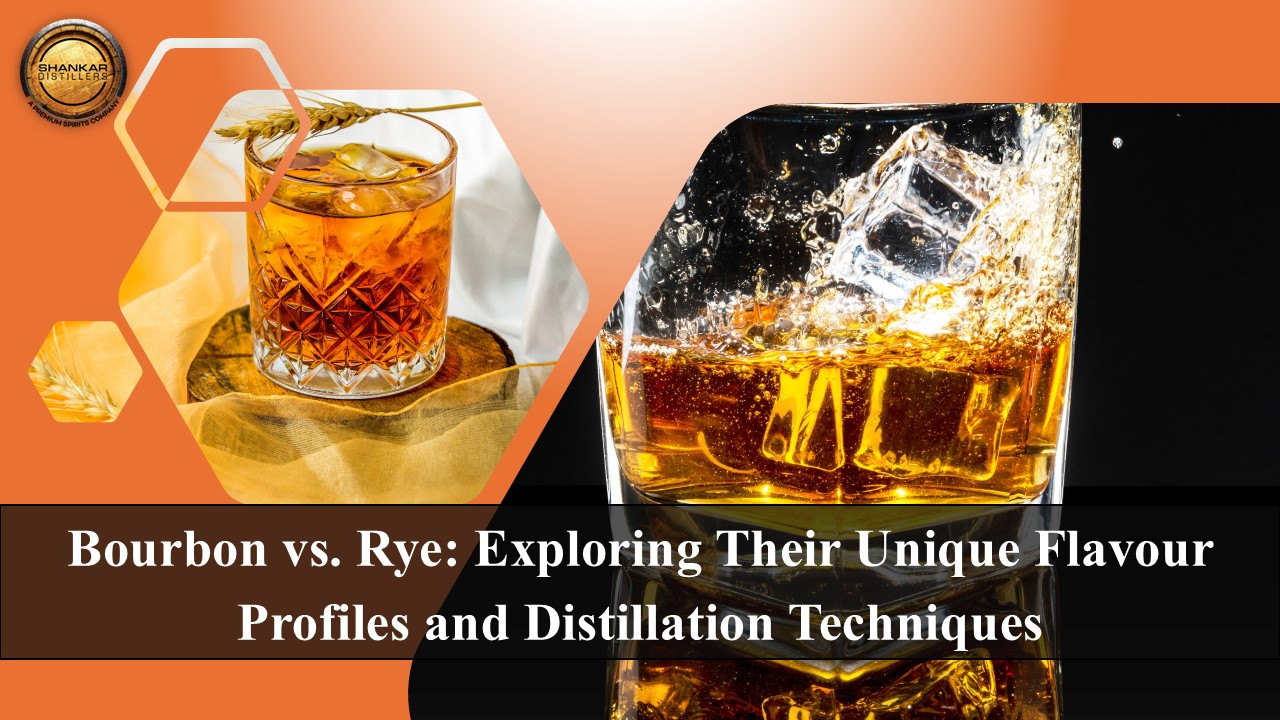
Bourbon vs. Rye Exploring Their Unique Flavour
Profiles and Distillation Techniques
2
Exploring the world of whiskey involves more than
just sipping and enjoying its about
understanding the story each glass tells through
its flavor, aroma, and texture. Whether youre
delving into a glass of straight bourbon whiskey
or straight rye whiskey from Shankar Distillers,
knowing how to taste them like an expert enhances
your appreciation. This guide breaks down each
step so you can savor every note like a true
connoisseur. As the landscape of whiskey grows,
Whiskey Distillers in the USA have set the
benchmark for premium craftsmanship, ensuring
that your tasting experience remains
unparalleled. So next time you search for a
"whiskey distillery near me," you'll know exactly
what to look for and how to savor the moment.
3
Step 1 Choose the Right Glassware The type of
glass you use can influence your tasting
experience. A tulip-shaped whiskey glass is often
recommended as it concentrates the aromas at the
rim, allowing you to better detect the subtle
notes of your straight bourbon whiskey or
straight rye whiskey. This shape is essential for
capturing the essence of premium spirits crafted
by leading distillers such as Shankar Distillers
- Premium Whiskey Company in the USA. Step 2
Observe the Whiskey Hold your glass at eye level
and examine the whiskeys color. The hues can
range from light gold to deep amber. Bourbon
typically has a richer, darker shade due to its
aging in new charred oak barrels, while rye
whiskey might present lighter, more golden tones.
The color gives a hint about its age and what to
expect in terms of flavor intensity. Pro
Tip Swirl the whiskey gently in the glass.
Notice how it coats the sides and forms legs
that drip back down. Thicker, slower legs may
indicate a higher alcohol content or longer aging
period.
4
Step 3 Savor the Aroma Your sense of smell is a
powerful tool in tasting whiskey. Bring the glass
to your nose and take short, gentle sniffs. Avoid
deep inhalations, as the alcohol fumes may
overwhelm the more delicate scents. For straight
bourbon whiskey, you might detect notes of
caramel, vanilla, or toasted oak. Straight rye
whiskey often offers spicy, peppery aromas with
hints of fruit or floral undertones. To fully
appreciate the aromatic profile, try covering the
glass with your hand and swirling the liquid for
a few seconds. When you remove your hand and take
another sniff, the concentrated aromas will
reveal hidden layers of the whiskey. Step 4 The
First Sip Assessing the Palate Take a small
sip and let it rest on your tongue for a few
seconds before swallowing. This first taste
acclimates your palate to the alcohol. Notice the
initial flavors that come through are they
sweet, spicy, or smoky? Straight bourbon whiskey
from Shankar Distillers is often marked by rich,
sweet notes like honey and molasses, balanced by
hints of oak and cinnamon. In contrast, straight
rye whiskey usually boasts bold, spicy
characteristics with a dry finish that can
include hints of clove or nutmeg.
5
Step 5 Explore the Mouthfeel Mouthfeel refers
to the texture of the whiskey as it coats your
mouth. Does it feel light, oily, or creamy?
Bourbon is typically smoother and more viscous,
providing a rounder mouthfeel, while rye is often
crisper and leaner, with a more intense
bite. Step 6 The Finish Reflect on the
Aftertaste The finish of a whiskey is the
lingering taste that remains after you swallow.
It can be short, medium, or long, and may change
over time as different flavors come to the
forefront. A quality straight bourbon whiskey
might leave a sweet, slightly smoky aftertaste,
while a straight rye whiskey could have a
lingering spice that gradually softens to reveal
herbal or earthy undertones.
6
Expert Tip Take a deep breath after swallowing
to amplify the finish and discover subtle flavors
that were not immediately apparent. Step 7
Compare and Contrast If you have the
opportunity, taste both straight bourbon whiskey
and straight rye whiskey side by side. This
comparison can help you understand their unique
qualities better. Bourbons sweeter, smoother
profile contrasts with the bold, spicy notes of
rye, providing an excellent tasting experience
that showcases the diversity among whiskeys
produced by Whiskey Distillers in the USA.
7
- Final Thoughts
- Tasting whiskey is an art that requires patience,
attention to detail, and a keen sense of
observation. The more you practice, the more
adept you become at identifying the distinct
characteristics that make each whiskey unique.
Whether enjoying a glass of straight bourbon
whiskey or straight rye whiskey from Shankar
Distillers - Premium Whiskey Company in the USA,
taking the time to taste properly enhances your
overall experience and deepens your appreciation
for the craft. - Now that you know how to taste whiskey like an
expert, youre ready to explore the rich
offerings of premium whiskeys with confidence and
discernment. Cheers to your journey into the
nuanced world of whiskey tasting! - Useful Links
- Bourbon recipes
- Rye whiskey recipes
- Resources
8
Thank You
Follow us on
Recommended

