

The Science Behind Vodka Production: A Deep Dive PowerPoint PPT Presentation
Title: The Science Behind Vodka Production: A Deep Dive
1
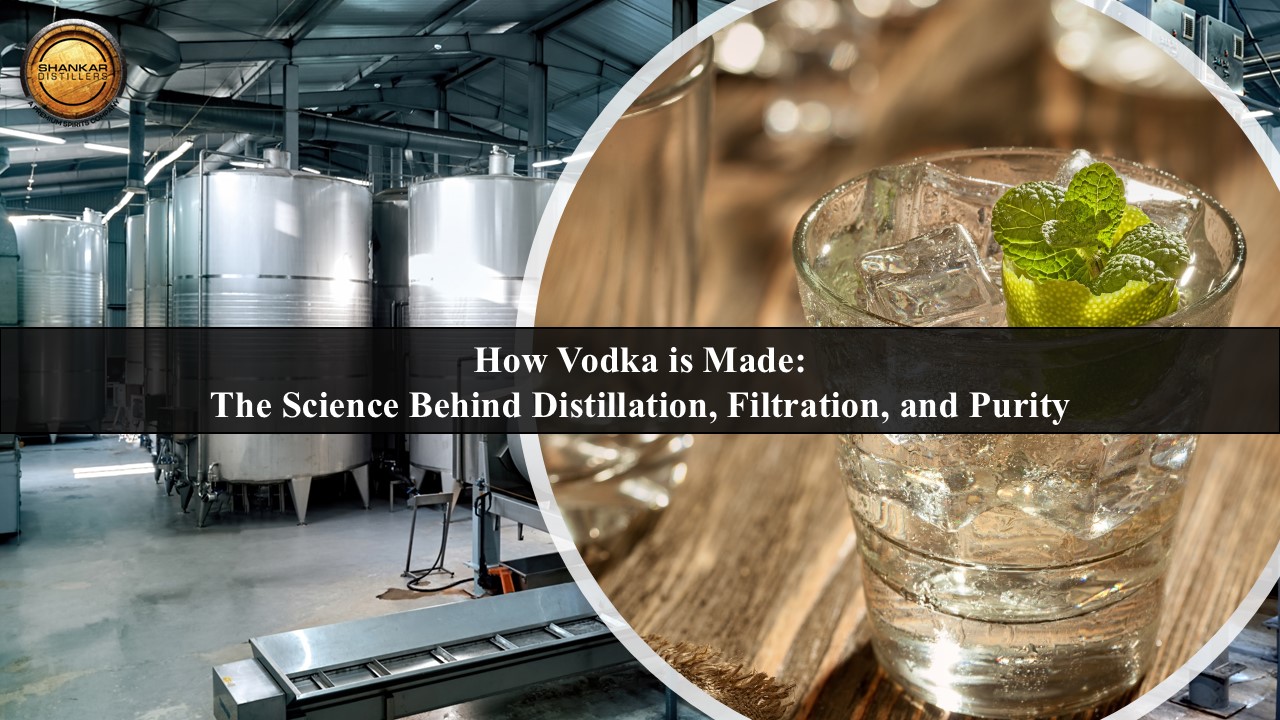
How Vodka is Made The Science Behind
Distillation, Filtration, and Purity
2
Vodka is one of the most popular spirits
worldwide, known for its versatility and
smoothness. The quality of vodka depends on
several key factors, including the raw
ingredients, distillation process, and filtration
methods. Whether crafted by a Vodka Company in
the USA or a traditional European distillery, the
science behind vodka production remains the same.
Understanding the precise steps involved can help
consumers appreciate the craftsmanship behind
premium vodka brands like Varchas Premium Vodka
from Shankar Distillers - Premium Distillery in
the USA.
3
- The Vodka-Making Process A Step-by-Step
Breakdown - 1. Choosing the Right Ingredients
- Vodka can be made from a variety of raw
materials, including grains (wheat, rye, corn,
barley), potatoes, and even fruits or sugar
beets. The choice of base ingredient affects the
final taste and texture of the vodka. - Grain-based vodka Typically smoother with a
clean, crisp profile. - Potato-based vodka Often richer and slightly
creamy in texture. - Fruit or sugar-based vodka May have a subtle
sweetness and distinct flavors. - 2. Mashing and Fermentation
- Once the base ingredient is selected, it is
processed into a mash. - Grinding and cooking Grains or potatoes are
crushed and heated to break down starches into
fermentable sugars. - Enzyme addition Enzymes are introduced to
accelerate the conversion of starch into sugar. - Fermentation Yeast is added to the mash,
converting sugars into alcohol. This process
usually takes 3-7 days and results in a
low-alcohol liquid (typically around 6-10 ABV).
4
- 3. Distillation Refining the Spirit
- Distillation is the heart of vodka production, as
it determines purity and smoothness. This process
separates alcohol from impurities by heating the
fermented liquid and collecting the vaporized
alcohol. - Column distillation Most modern vodkas undergo
continuous column distillation, where the spirit
is purified multiple times in tall stainless
steel columns, achieving a high proof (often
above 95 ABV). - Pot distillation Less common for vodka but can
be used for smaller batches to retain more
character and texture. - Multiple distillations High-end vodkas may be
distilled multiple times to remove unwanted
compounds, resulting in a smoother final
product. - 4. Filtration Enhancing Smoothness and Purity
- Filtration is another critical step that impacts
the texture and taste of vodka. The goal is to
remove impurities while maintaining a smooth,
clean mouthfeel. - Charcoal filtration Most premium vodkas pass
through activated charcoal to remove residual
impurities and off-flavors. - Silver or platinum filtration Some distillers
use precious metals to create an ultra-pure and
refined spirit. - Quartz or lava rock filtration Used by select
brands for a unique mineral-enhanced texture.
5
- 5. Dilution Achieving the Right Balance
- After distillation and filtration, vodka is still
at a very high proof (often 95 ABV). To make it
suitable for consumption, it is diluted with
water. - Pure water source The water quality is crucial,
as it directly affects the final taste. Many
premium brands use spring water, glacial water,
or artesian well water. - Controlled dilution The alcohol is carefully
reduced to the desired strength, typically 40
ABV (80 proof) in most markets. - 6. Bottling and Quality Control
- Before reaching consumers, the vodka undergoes
rigorous quality checks. - Chemical testing Ensures the spirit is free of
contaminants and meets purity standards. - Tasting panels Experts assess the vodkas aroma,
texture, and finish. - Bottling and packaging Vodka is bottled in
sterilized glass or high-quality containers to
preserve its character.
6
- How Different Techniques Impact Vodka Quality
- Each step in vodka production plays a role in
determining its overall quality - Ingredient selection influences smoothness and
underlying flavors. - Distillation method affects purity and alcohol
content. - Filtration type enhances texture and eliminates
harsh notes. - Water source dictates the final balance and
smoothness.
7
- Conclusion
- The process of making vodka is both an art and a
science, involving careful selection of
ingredients, advanced distillation techniques,
and meticulous filtration methods. Whether
produced by a Vodka Company in the USA or a
heritage distillery, the key to premium vodka
lies in purity and smoothness. Varchas Premium
Vodka from Shankar Distillers - Premium
Distillery in the USA exemplifies this
craftsmanship, delivering a high-quality spirit
that is both refined and versatile. Understanding
the science behind vodka production allows
enthusiasts to appreciate the expertise that goes
into every bottle, making it a truly exceptional
spirit. - Useful Links
- Premium gin brand USA
- Straight Rye Whiskey
- Straight rye whiskey recipes
8
Thank You
Follow us on
Recommended

