

Whiskey Tasting as a Sensory Experience: Mastering the Process PowerPoint PPT Presentation
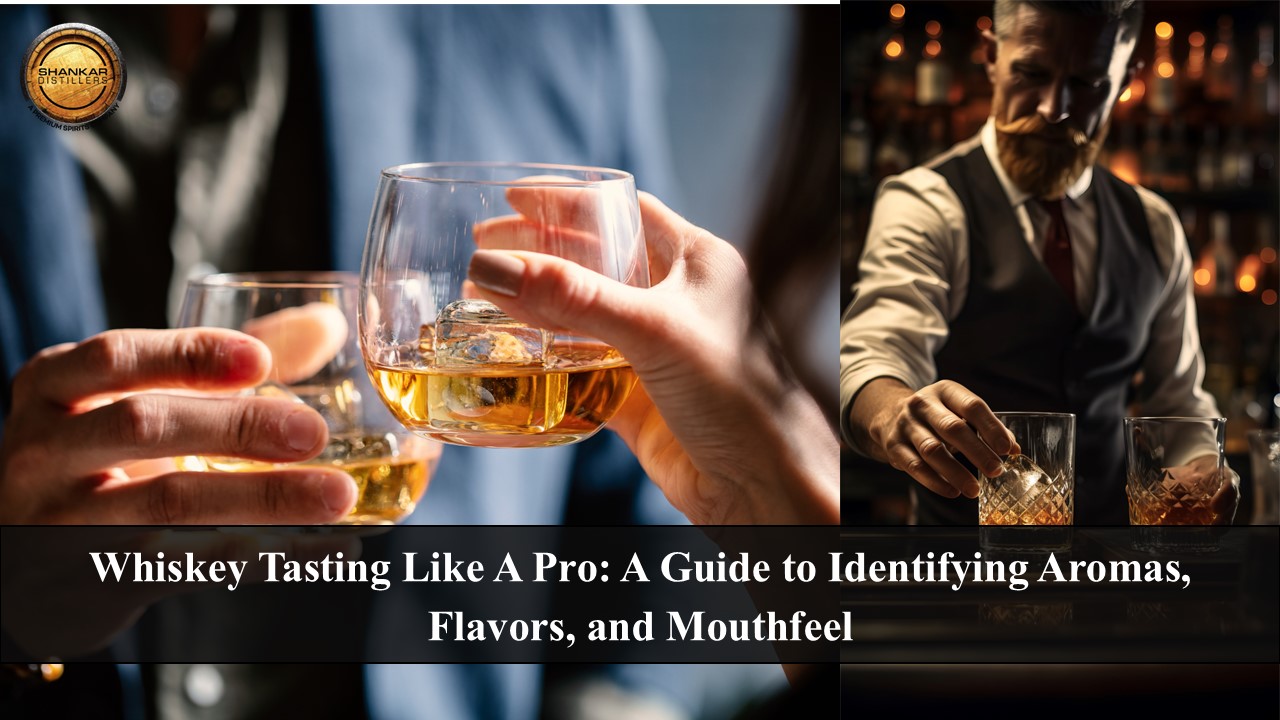
Title: Whiskey Tasting as a Sensory Experience: Mastering the Process
1
Whiskey Tasting Like A Pro A Guide to
Identifying Aromas, Flavors, and Mouthfeel
2
Whiskey tasting is more than just sipping a glass
of your favorite spirit it's an art form that
requires careful observation, sensory evaluation,
and a deep appreciation for the craftsmanship
behind each bottle. Whether you're a beginner or
an experienced whiskey enthusiast, developing a
structured approach to nosing, tasting, and
assessing whiskey will elevate your experience.
By mastering these techniques, you can identify
subtle nuances, distinguish between different
styles, and truly understand what makes each
whiskey unique. With whiskey becoming
increasingly popular worldwide, the ability to
taste and evaluate spirits like an expert is a
valuable skill. Whether you're exploring the rich
character of Straight Bourbon Whiskey or the bold
spice of Premium Straight Rye Whiskey from
Shankar Distillers One of the Premium Spirits
Company, this guide will help you develop a
professional-level palate. With Whiskey
Distilleries in USA producing a diverse range of
exceptional whiskeys, refining your tasting
skills will help you appreciate the craftsmanship
behind each bottle.
3
- Step 1 Nosing Unlocking Aromas
- Aroma plays a crucial role in whiskey tasting, as
our sense of smell accounts for a significant
portion of what we perceive as flavor. To
properly nose whiskey, follow these steps - Choose the Right Glass A tulip-shaped whiskey
glass or Glencairn glass helps concentrate
aromas, allowing for a better nosing experience. - Swirl Gently Swirl the whiskey gently to
release its aromas without over-agitating it. - Approach Gradually Hold the glass a few inches
from your nose, then slowly bring it closer.
Avoid inhaling too deeply to prevent overwhelming
your senses. - Identify Key Notes Take note of different aroma
layers. Common whiskey aromas include - Fruity (apple, pear, citrus, dark berries)
- Sweet (caramel, vanilla, honey, chocolate)
- Spicy (cinnamon, clove, black pepper)
- Woody (oak, cedar, toasted wood)
- Nutty (almonds, pecans, hazelnut)
- Earthy (leather, tobacco, dried herbs)
- Compare with Water Adding a few drops of water
can help open up new aromas and make certain
notes more pronounced.
4
- Step 2 Tasting Exploring Flavors and
Complexity - Once you've identified the aromas, it's time to
taste the whiskey and analyze its flavor profile.
Follow these steps for a professional approach - Take a Small Sip Let the whiskey coat your
tongue, allowing the flavors to develop. - Evaluate Sweetness Spice Identify the balance
of sweetness (honey, caramel, vanilla) and spice
(pepper, cinnamon, nutmeg) on your palate. - Notice the Mid-Palate Complexity Mid-palate
flavors often reveal deeper notes such as toasted
nuts, dried fruit, or chocolate. - Analyze the Finish The finish, or aftertaste,
reveals how long the whiskeys flavors linger. A
long, warm finish with complex layers often
signifies high-quality whiskey. - Try Different Methods Experiment with tasting
whiskey neat, with a splash of water, and even
with ice to see how the flavors change.
5
- Step 3 Assessing Mouthfeel The Texture of
Whiskey - Mouthfeel refers to how the whiskey feels on your
palate. The body of a whiskey can range from
light to full, affecting your overall tasting
experience. - Light-Bodied Crisp and delicate, often with a
quick finish. - Medium-Bodied Balanced with a noticeable
richness. - Full-Bodied Thick, oily, and robust, with a
long-lasting finish. - Straight Bourbon Whiskey tends to have a smooth
and velvety mouthfeel, while Premium Straight Rye
Whiskey typically features a spicier, more robust
texture.
6
- Step 4 Understanding Whiskey Styles
- Different whiskey styles offer unique tasting
experiences. Heres a quick comparison - Bourbon Whiskey Rich, caramel, vanilla, and oak
notes with a smooth finish. - Rye Whiskey Spicy, peppery, with hints of fruit
and herbal undertones. - Single Malt Whiskey Complex and often smoky,
with fruity and nutty undertones. - Blended Whiskey A combination of different
whiskeys, offering a balanced profile.
7
- Conclusion
- Tasting whiskey like a pro involves patience,
attention to detail, and a structured approach to
nosing, tasting, and evaluating. Whether you're
savoring a Straight Bourbon Whiskey or enjoying
the spiciness of a Premium Straight Rye Whiskey,
refining your palate allows you to truly
appreciate the artistry behind each bottle. By
following this guide, youll be able to
distinguish key aromas, flavors, and textures,
making every whiskey tasting session an enriching
experience. - As Premium spirits company USA continue to craft
exceptional spirits, developing a deep
appreciation for whiskey's complexities will
enhance your enjoyment and knowledge of this
timeless beverage. Cheers to your whiskey-tasting
journey! - Useful Links
- Whiskey tasting room USA
- Barrel proof straight rye whiskey
- Resources
8
Thank You
Follow us on
Recommended

