

https://cashyourgolddelhi.blogspot.com/2025/03/beyond-checklists-building-proactive.html PowerPoint PPT Presentation
Title: https://cashyourgolddelhi.blogspot.com/2025/03/beyond-checklists-building-proactive.html
1
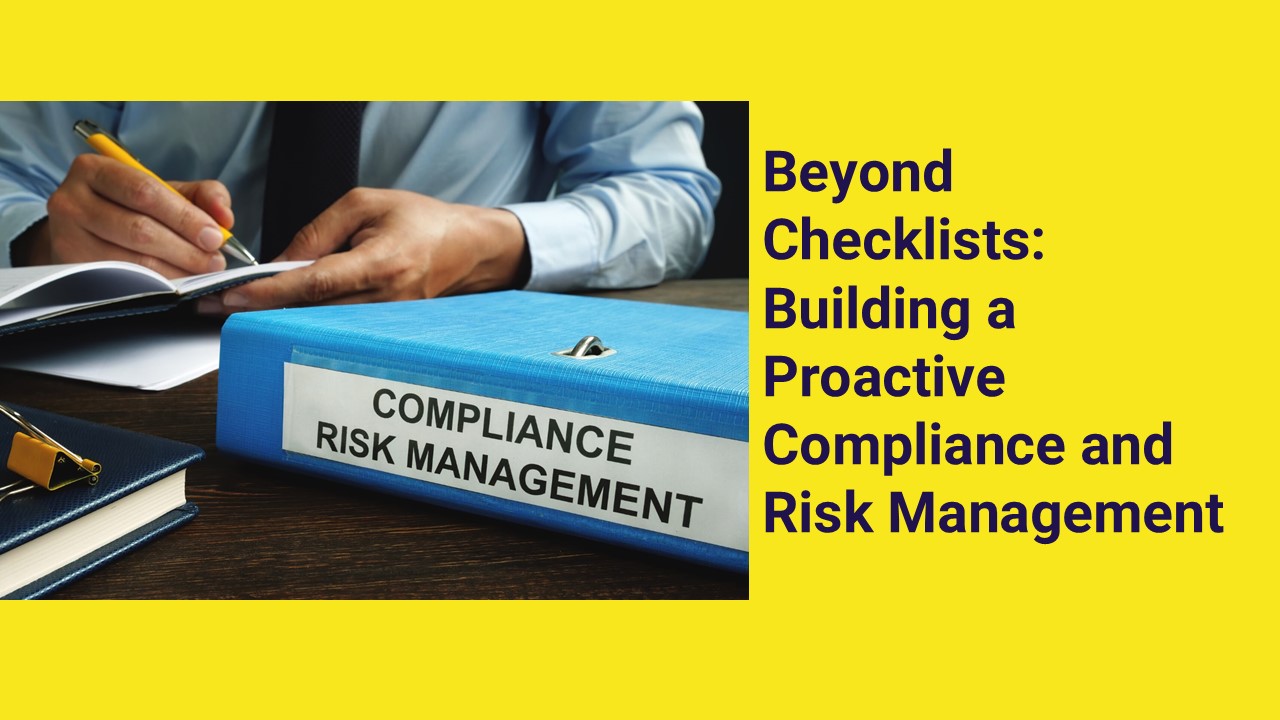
Beyond Checklists Building a Proactive
Compliance and Risk Management
2
Beyond Checklists Building a Proactive
Compliance and Risk Management
In todays dynamic regulatory landscape,
organizations can no longer afford to treat
compliance and risk management as mere checklist
items. The traditional reactive approachwhere
businesses respond to risks and compliance
failures only after they ariseis no longer
sustainable. Instead, companies must foster a
culture where compliance and risk management are
integrated into daily operations, allowing them
to anticipate challenges and mitigate risks
before they escalate.
3
The Shift from Reactive to Proactive Compliance
and Risk Management Historically, many businesses
have viewed compliance as a burden, something to
be addressed only when necessary to avoid
penalties. This reactive mindset often leads to
inefficiencies, financial losses, and
reputational damage. When compliance is
approached as an afterthought, organizations face
greater risks, including regulatory fines,
operational disruptions, and legal liabilities. A
proactive approach to compliance and risk
management, on the other hand, allows
organizations to stay ahead of regulatory
changes, minimize business risks, and build trust
with stakeholders. By integrating compliance into
everyday operations, businesses can transform it
from a cost center into a strategic advantage.
4
Key Elements of a Proactive Compliance and Risk
Management Strategy
Leadership Commitment A companys leadership must
champion compliance and risk management efforts.
When senior executives actively support and
communicate the importance of compliance, it
fosters a culture where employees at all levels
take ownership of regulatory responsibilities.
Leadership commitment also ensures that
sufficient resources are allocated to compliance
initiatives.
Embedding Compliance into Corporate Culture
Compliance and risk management should be
ingrained in the organizations values and
everyday decision-making. This requires clear
policies, regular training, and a focus on
ethical behavior. Employees should understand
that compliance is not just a departments
responsibility but a shared organizational
commitment.
5
Real-time Monitoring and Risk Assessment To
prevent compliance breaches and mitigate risks
effectively, organizations must move beyond
periodic audits and embrace real-time monitoring.
Modern compliance management solutions provide
automated risk assessments, allowing businesses
to identify vulnerabilities and implement
corrective actions before issues
arise. Technology-Driven Compliance and Risk
Management Manually tracking compliance
requirements is both time-consuming and
error-prone. Advanced compliance management
software enables businesses to centralize
regulatory requirements, automate reporting, and
ensure timely adherence to legal obligations.
Such technology reduces the risk of
non-compliance while enhancing operational
efficiency.
6
Employee Training and Awareness A proactive
compliance culture requires continuous education.
Organizations must invest in regular training
sessions to keep employees informed about
evolving regulations, industry best practices,
and ethical standards. When employees are
well-versed in compliance requirements, they are
more likely to act in accordance with regulatory
expectations.
Data-Driven Decision Making Leveraging data
analytics helps organizations assess compliance
performance, identify patterns, and predict
potential risks. By analyzing historical data and
trends, businesses can make informed decisions
that strengthen their compliance and risk
management strategies.
7
The Role of Compliance Management Software in
Proactive Risk Mitigation The shift toward
proactive compliance is nearly impossible without
the right technology. Compliance management
software plays a crucial role in automating and
streamlining compliance processes, ensuring that
businesses meet regulatory requirements
efficiently. Heres how such software supports a
proactive approach Automated Compliance
Tracking Keeping up with regulatory updates
manually is a challenge. Compliance management
software automatically tracks legal changes,
ensuring organizations remain compliant with the
latest requirements. Centralized Document
Management Managing compliance documentation in
silos increases the risk of errors and
inefficiencies. A centralized digital repository
ensures that all compliance-related documents are
easily accessible, reducing duplication and
improving record-keeping accuracy.
8
Workflow Automation
A proactive approach requires seamless
coordination among different teams. Compliance
management software enables automated workflows,
ensuring tasks are assigned, reviewed, and
approved in a timely manner.
Risk Assessment and Reporting
Businesses need real-time insights to stay ahead
of potential compliance risks. Advanced
compliance management solutions offer real-time
dashboards, risk assessment tools, and automated
reporting features to enhance decision-making.
Audit Preparedness
Traditional compliance audits can be
time-consuming and stressful. With compliance
management software, organizations can maintain
an up-to-date audit trail, making regulatory
inspections smoother and more transparent.
9
Building a Sustainable Compliance and Risk
Management Framework To successfully transition
from a reactive to a proactive compliance
strategy, organizations must adopt a structured
framework that aligns with their business
objectives. Here are some essential steps to
achieve this Conduct a Compliance Risk
Assessment Identify key regulatory risks that
impact the organization and evaluate existing
compliance measures. Establish Clear Policies
and Procedures Define compliance expectations
and ensure they are well-documented and
accessible to employees. Leverage Technology for
Automation Implement a robust compliance
management solution to streamline regulatory
tracking, reporting, and workflow
automation. Monitor and Update Compliance
Measures Regularly Stay updated with regulatory
changes and continuously refine compliance
processes. Encourage a Culture of Continuous
Improvement Compliance is an ongoing process.
Organizations should encourage employees to
provide feedback, report potential risks, and
participate in compliance training programs.
10
A reactive approach to compliance exposes
organizations to unnecessary risks and
liabilities. By adopting a proactive strategy,
businesses can enhance operational efficiency,
mitigate regulatory risks, and build trust with
stakeholders. The integration of compliance
management software further strengthens this
approach by automating processes, ensuring
real-time monitoring, and providing data-driven
insights. The future of compliance lies in
embedding it within the corporate DNAmaking it a
seamless part of everyday operations rather than
an isolated function. Organizations that invest
in proactive compliance today will be better
positioned to navigate the complexities of
tomorrows regulatory landscape.
Recommended

