

The Bold Spice of Rye Whiskey PowerPoint PPT Presentation
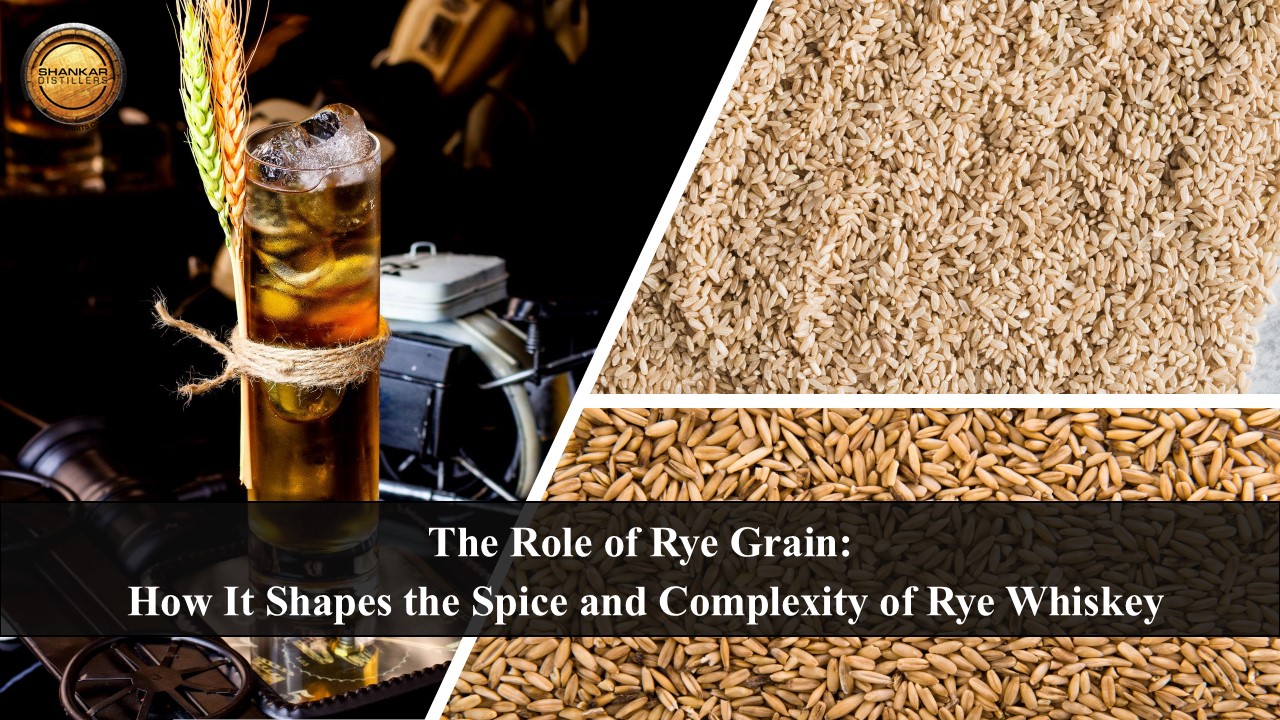
Title: The Bold Spice of Rye Whiskey
1
The Role of Rye Grain How It Shapes the Spice
and Complexity of Rye Whiskey
2
Rye whiskey has gained significant popularity
among whiskey enthusiasts due to its bold, spicy
profile and intricate layers of flavor. Unlike
bourbon, which primarily relies on corn, rye
whiskey is distilled using a significant
proportion of rye grain, leading to a distinctive
taste that sets it apart. Understanding the role
of rye grain in whiskey production is essential
to appreciate the depth and complexity it brings
to the final spirit. In the USA, rye whiskey
production follows stringent guidelines to
maintain authenticity and quality. Whiskey
Distillers in the USA adhere to the legal
requirement that rye whiskey must contain at
least 51 rye grain in its mash bill. This unique
grain not only influences the whiskeys spiciness
but also enhances its mouthfeel and overall
complexity. Brands such as Varchas Premium
Straight Rye Whiskey from Shankar Distillers
One of the Premium Spirits Distillery have
successfully captured the essence of ryes bold
characteristics.
3
The Distinctive Properties of Rye Grain Rye grain
possesses unique chemical and physical properties
that contribute to the whiskeys profile. These
characteristics influence fermentation,
distillation, and maturation, ultimately shaping
the final products aroma, taste, and
texture. 1. High Starch Content and
Fermentation Rye contains a high percentage of
starch, which, when converted into fermentable
sugars, results in a high-alcohol yield. However,
rye grain is also rich in complex carbohydrates
and beta-glucans, making fermentation more
challenging than that of corn or barley. The
viscosity of rye mash requires careful handling
to prevent clogging during processing, but this
extra effort results in a richer, more
full-bodied whiskey.
4
- 2. Spicy Flavor Compounds
- The defining characteristic of rye whiskey is its
signature spice. This spiciness comes from
specific organic compounds found in rye grain,
including - Eugenol Responsible for clove-like and cinnamon
notes. - Syringaldehyde Adds hints of vanilla and spice.
- Phenols Contribute to the earthy and slightly
smoky undertones. - These compounds interact during fermentation and
barrel aging, creating the bold, peppery taste
that distinguishes rye whiskey from its
counterparts. - 3. Influence on Aroma and Complexity
- Rye grain imparts a range of aromatic notes,
including dried fruit, toasted nuts, and dark
chocolate. During maturation in oak barrels, the
spicy backbone of rye whiskey combines with
caramel, vanilla, and oak-derived lactones,
enriching its complexity. Over time, this
interaction creates a layered sensory experience,
making rye whiskey a preferred choice for
seasoned whiskey drinkers.
5
- The Impact of Rye Grain on Whiskey Production
- Each stage of whiskey productionmashing,
fermentation, distillation, and agingplays a
critical role in extracting the full potential of
rye grains properties. - 1. Mashing and Fermentation
- Rye grain is milled into fine particles before
being mixed with hot water to release its
starches. The mash is then subjected to enzymatic
action, breaking down starches into fermentable
sugars. The high viscosity of rye mash requires
careful temperature control and stirring to avoid
thickening issues. - During fermentation, yeast converts sugars into
alcohol while also generating secondary compounds
that contribute to the whiskeys aromatic
complexity. The presence of rye amplifies these
compounds, leading to a whiskey with heightened
floral, herbal, and spicy notes.
6
2. Distillation Techniques Rye whiskey is
typically distilled using copper pot stills or
column stills, each method influencing the final
flavor. Copper pot stills allow for greater
retention of heavy congeners, enhancing body and
spice, while column stills produce a cleaner,
more refined spirit. The choice of distillation
technique directly affects the whiskeys
mouthfeel and overall character. 3. Barrel Aging
and Maturation Aging in charred American oak
barrels is a crucial step in developing the full
potential of rye whiskey. The high tannin content
in rye grain interacts with the wood, absorbing
vanillin, lignin, and caramelized sugars, adding
depth to the whiskeys profile. Extended aging
allows the bold spice of rye to mellow, creating
a well-rounded and smooth spirit.
7
Rye Whiskeys Rising Popularity With the
resurgence of classic cocktails and the growing
appreciation for bold whiskey flavors, rye
whiskey has reclaimed its place in the spirits
industry. Bartenders and mixologists favor rye
whiskey for its ability to hold up in cocktails
like the Manhattan, Sazerac, and Old Fashioned.
The enhanced spice profile cuts through mixers
while maintaining a balanced complexity. Premium
offerings like Varchas Premium Straight Rye
Whiskey from Shankar Distillers One of the
Premium Spirits Distillery embody the true
essence of rye grain, making them a top choice
for whiskey connoisseurs. With an emphasis on
traditional distillation methods and high-quality
rye grain sourcing, these whiskeys continue to
set new standards for excellence.
8
- Conclusion
- Rye grain plays an instrumental role in shaping
the spice, complexity, and depth of rye whiskey.
Its unique chemical composition, high starch
content, and spicy flavor compounds contribute to
a whiskey that is bold, aromatic, and full of
character. Through careful mashing, fermentation,
distillation, and aging, distillers bring out the
best qualities of rye, crafting a spirit that
stands out in the whiskey world. - As more whiskey enthusiasts seek robust and
intricate flavors, rye whiskey continues to gain
recognition as a premier spirit. Whether enjoyed
neat, on the rocks, or in a cocktail, the
distinctive influence of rye grain ensures a
memorable drinking experience. The dedication of
Shankar Distillers One of the Premium Spirits
Distillery in producing high-quality rye whiskey
further cements the grains role as the backbone
of this beloved spirit.
9
- Useful Links
- Premium vodka
- Bourbon whiskey recipes
- Straight Bourbon Whiskey
10
Thank You
Follow us on
Recommended

