

The Role of a Compliance Management System in Risk Management PowerPoint PPT Presentation
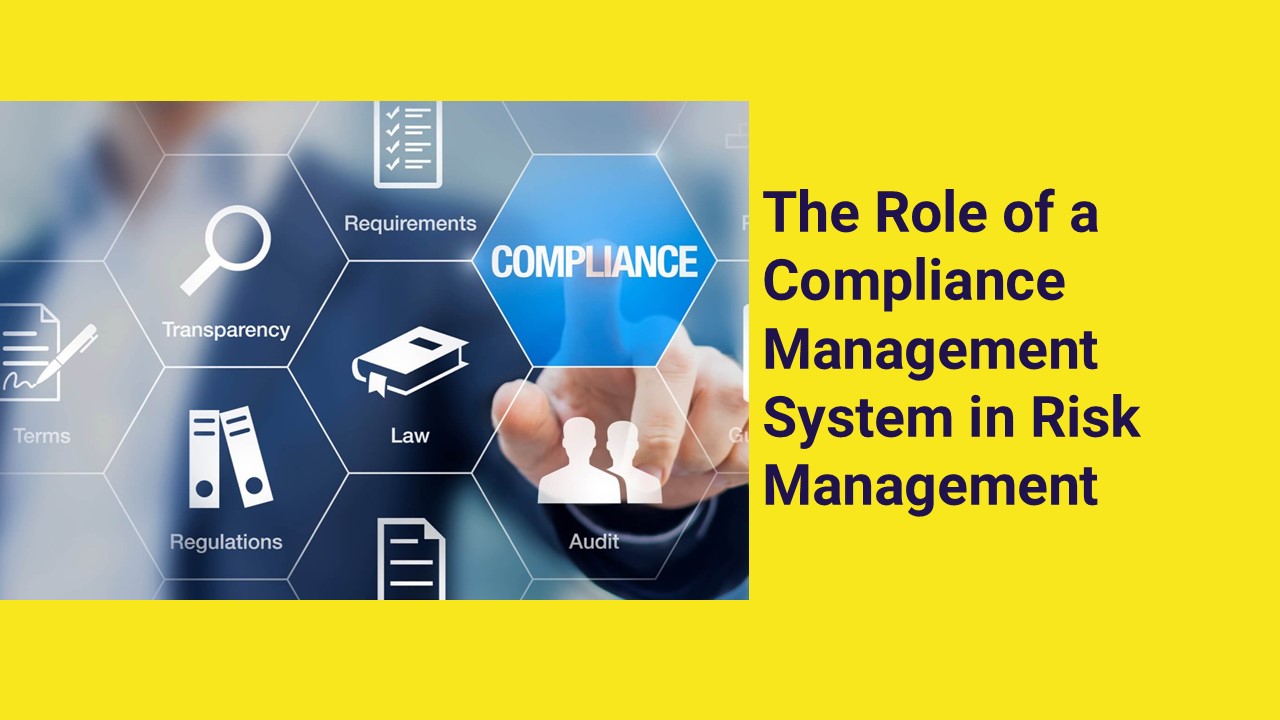
Title: The Role of a Compliance Management System in Risk Management
1
The Role of a Compliance Management System in
Risk Management
2
The Role of a Compliance Management System in
Risk Management
In todays business landscape, regulatory
compliance is more than just a legal
obligationits a critical aspect of risk
management. Non-compliance can lead to financial
penalties, legal repercussions, reputational
damage, and operational disruptions. To mitigate
these risks, organizations need a structured and
efficient approach to compliance. This is where a
Compliance Management System becomes
indispensable.
3
A Compliance Management System offers businesses
a centralized, automated, and proactive approach
to managing compliance-related risks. By
streamlining regulatory tracking, document
management, workflow automation, and audit
preparedness, such a system helps organizations
stay ahead of compliance challenges and minimize
exposure to potential liabilities. Identifying
and Managing Compliance Risks Every industry
faces unique compliance risks. Financial
institutions must adhere to anti-money laundering
laws, manufacturers must comply with
environmental and safety regulations, and
healthcare providers must follow strict patient
data protection rules. Regardless of the
industry, businesses must ensure they stay
aligned with evolving regulatory
requirements.
4
A Compliance Management System provides a
structured risk management approach by
Tracking Regulatory Changes in Real-Time
Automated updates ensure businesses stay informed
about new or modified regulations.
Conducting Compliance Risk Assessments
Identifying potential gaps and vulnerabilities
before they escalate into major risks.
Mapping Regulatory Requirements to Business
Processes Ensuring every department is aware of
its compliance obligations and responsibilities.
By proactively identifying and addressing
compliance risks, businesses can prevent
penalties and maintain smooth operations.
5
Automating Compliance Workflows to Reduce
Risk One of the biggest challenges in risk
management is ensuring that compliance tasks are
completed accurately and on time. Manual tracking
through spreadsheets and emails is prone to human
error and inefficiencies, increasing the
likelihood of missed deadlines and
non-compliance. A Compliance Management System
mitigates these risks by automating compliance
workflows Task Assignment Deadline Tracking
Compliance tasks are automatically assigned to
relevant personnel with reminders and escalation
mechanisms to ensure timely completion.
6
Multi-Level Approvals A structured
maker-checker-approver mechanism ensures
compliance accuracy and accountability.
Role-Based Access Controls Employees access only
the compliance documents and tasks relevant to
their roles, reducing unauthorized changes and
enhancing security.
By automating workflows, businesses minimize
human errors, ensure compliance deadlines are
met, and enhance accountability at every level.
7
Why Compliance Audit Service Are Vital for
Employers Given the challenges organizations
face, Compliance Audit provide a structured
approach to identifying, assessing, and
addressing compliance obligations. These services
offer several key benefits 1. Reducing
Compliance Risks Regular compliance audits help
organizations identify areas of non-compliance
and implement corrective actions before issues
escalate. This proactive approach significantly
reduces legal risks, financial penalties, and
reputational damage. 2. Enhancing Operational
Efficiency By ensuring that business processes
align with regulatory requirements, organizations
can streamline operations and improve efficiency.
A well-structured compliance framework fosters a
culture of accountability and minimizes
operational disruptions.
8
Strengthening Compliance with Centralized
Document Management
Many organizations struggle with compliance risks
due to disorganized or missing documentation.
Regulatory audits require businesses to provide
up-to-date licenses, permits, policies, and
compliance reports. Without a structured system,
document retrieval becomes time-consuming and
prone to errors.
9
A Compliance Management System eliminates these
challenges by Providing a Centralized
Compliance Repository All compliance-related
documents are stored securely in a centralized,
easily accessible location. Version Control
Audit Trails Tracks modifications to compliance
documents, ensuring transparency and
accountability. Secure Storage with Access
Restrictions Protects sensitive compliance data
from unauthorized access. By streamlining
document management, businesses enhance audit
preparedness and minimize the risk of compliance
failures due to missing or outdated records.
10
Regulatory compliance is an integral component of
risk management, and businesses cannot afford to
overlook it. A Compliance Management Solution
provides the necessary framework, automation, and
real-time insights to mitigate compliance risks
effectively. From automating workflows and
document management to ensuring audit readiness
and fostering a compliance culture, such a system
safeguards businesses against legal, financial,
and reputational risks.
Recommended

