

Professional Roof Inspection: A Step-by-Step Guide PowerPoint PPT Presentation
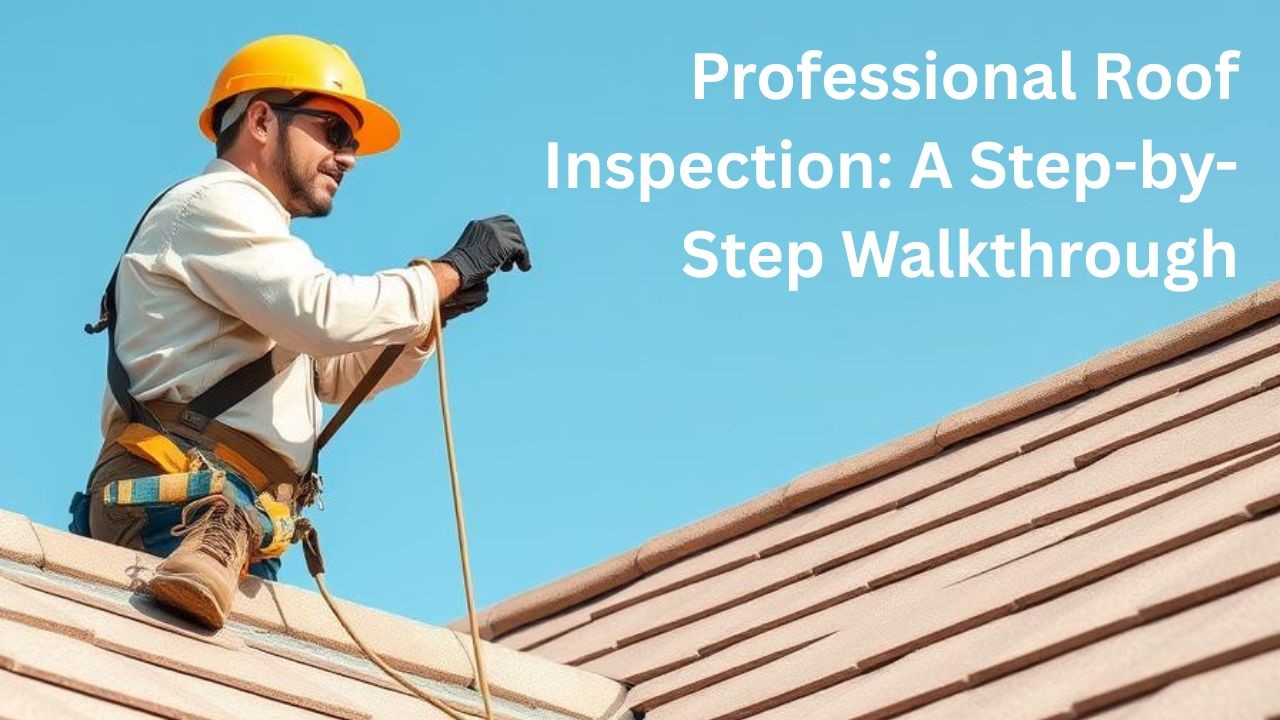
Title: Professional Roof Inspection: A Step-by-Step Guide
1
(No Transcript)
2
Initial Consultation and Exterior Evaluation
Client Interview
Ground-Level Observation
The inspection starts with a discussion about
roof age, past repairs, and any known issues,
helping the inspector prioritize areas to check.
Walking around the property, the inspector looks
for shingle granules, landscape changes, and
signs of drainage problems visible from the
ground.
Roofline Trim Check
Inspecting roof symmetry, fascia, soffits,
chimneys, and skylights from the ground can
reveal structural shifts, water damage, or aging
components.
3
Roof Surface Inspection
Shingle Roof Material Condition
Flashing and Damage Checks
Gutters and Downspouts
Proper alignment and clearance is crucial to
prevent water pooling and damage to roofing
materials.
Inspectors assess surface wear such as cracking,
granule loss, or rust on various roofing
materials including asphalt, metal, tile, and
wood.
- Flashing for corrosion or gaps
- Impact marks or punctures from weather
- Seams and membrane transitions on flat roofs
4
Structural and Interior Check
Ceiling Wall Inspection
Temperature and Draft Observation
Checking for sagging, cracks, or paint bubbling
that can signal moisture or structural issues.
Identifying inconsistent temperatures or drafts
points to gaps affecting insulation and energy
efficiency.
Fastener Integrity
Framing Health
Loose or popped nails inside the attic may
indicate roof deck movement after harsh weather.
Examining trusses and rafters for signs of
bowing, splitting, or insect damage to ensure
structural soundness.
5
Comprehensive Final Report and Recommendations
Overview of Roof Condition
Summary of inspection findings tailored to
material type and roof performance.
Photographic Evidence
Photos highlight areas of concern to assist with
maintenance or insurance claims.
Repair Prioritization
Urgency-based recommendations to address critical
issues first and plan longer-term upkeep.
Maintenance Tips
Guidance on seasonal checks and routine care to
extend roof service life.
6
The Importance of Regular Professional Inspections
Early Problem Detection
Prevent expensive repairs by identifying small
issues before they escalate.
Safety Assurance
Ensure that roof structures remain stable and
secure to protect occupants.
Insurance Compliance
Meet provider requirements that often mandate
professional inspections to validate claims and
coverage.
Warranty Protection
Maintain manufacturer warranties by adhering to
recommended inspection schedules.
7
When to Schedule a Roof Inspection
After Severe Weather
Periodic Maintenance
Prior to Buying or Selling
Visible Signs of Wear
Storms with hail, high winds, or heavy snow can
cause hidden roof damage requiring assessment.
Routine inspections every 1-3 years depending on
roof type and age help prolong service life.
Ensure roof condition is well known to avoid
surprises during real estate transactions.
Granule loss, leaks, or structural blemishes call
for immediate professional evaluation.
8
Maximizing Your Roofs Longevity
Regular Cleaning
1
Remove debris to prevent water pooling and moss
growth.
Timely Repairs
2
Address small leaks or broken shingles promptly
before they worsen.
Proper Ventilation and Insulation
3
Maintains balanced temperature and prevents
moisture buildup inside attic spaces.
Professional Inspections
4
Schedule expert reviews to keep track of roof
health and maintenance needs.
9
Contact Us for Your Roof Inspection Needs
Kreatecube Roofing Experts
Contact Information
Reliable roof inspections ensuring your home
stays safe and protected year-round.
- Phone 91 99585 24412
- Website https//www.kreatecube.com/
- Email support_at_kreatecube.com
Recommended

