

Night Time Driving: What You Must Know PowerPoint PPT Presentation
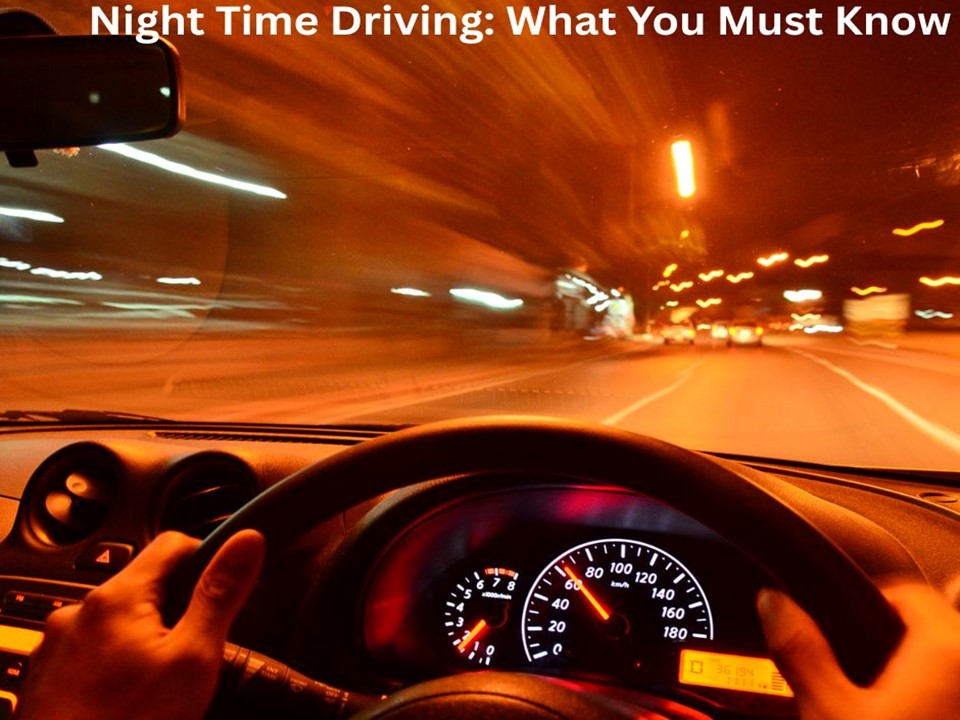
Title: Night Time Driving: What You Must Know
1
(No Transcript)
2
- Driving at night brings its own unique set of
challenges. From reduced visibility to glare from
headlights and night time fatigue, even roads you
know well can seem more difficult to navigate.
Thats why safe night driving goes beyond just
having good headlightsits about adjusting your
habits and staying alert. Whether you're new
behind the wheel or refreshing your skills, night
driving techniques are a major focus in Driving
Classes in Irving. - Here are key safety tips every driver should
remember when driving after dark - Check and Clean Your Lights
- Before hitting the road, inspect your headlights,
taillights, and signal lights. Ensure they're
clean and functioning properly. Dirt or foggy
lenses can drastically reduce visibility. Also,
make sure your headlights are correctly
aimedmisaligned beams can limit your vision or
blind other drivers.
3
2. Use High Beams Smartly High beams are helpful
for lighting up dark, rural roadsbut they should
be used with caution. Always dim them for
oncoming vehicles or when driving behind someone.
Learning to switch between low and high beams
smoothly is a practical skill covered in Irving
Driving Courses. 3. Slow Down and Stay
Alert Hazards like animals, pedestrians, or road
debris can appear suddenly at night. Reducing
your speed gives you more time to react.
Remember your ability to stop safely depends on
your speed and how far ahead you can see.
4
4. Avoid Staring at Oncoming Headlights Looking
directly at bright headlights can cause temporary
blindness. Instead, shift your gaze slightly to
the right edge of your lane and use road markings
to guide you. This helps maintain your focus and
lane position.
5. Watch for Signs of Fatigue
Night time driving can make you feel drowsy more
quickly. If you find yourself zoning out or
blinking too often, it's time to take a break.
Dont rely on caffeine or blasting musicthese
are short-term fixes. Pull over and rest if
needed. Drowsy driving is a major cause of
nighttime accidents.
5
6. Keep Windshield and Mirrors Clear
Smudges or streaks on your windshield can scatter
light and increase glare. Regularly clean both
the inside and outside of your windows. Properly
angled mirrors also help reduce the glare from
headlights behind you.
7. Use Fog Lights Only When Necessary
If your vehicle has fog lights, use them during
foggy or misty conditions to improve visibility
along road edges. But turn them off when
visibility is clear, as they can be distracting
to other drivers when misused.
6
Confidence After Dark Starts with the Right
Training
Night driving doesnt have to be intimidating.
With the right techniques and a calm, focused
mindset, you can stay safe and confidenteven
after the sun goes down. Ready to sharpen your
skills behind the wheel? DFW Driving Training
School offers hands-on Irving Driving Courses led
by experienced, licensed instructors. Learn how
to handle low-light conditions, manage real-world
challenges, and drive with confidenceday or
night.
7
Contact us at
(214) 970-1444
https//www.drivingtrainingschool.com/
admin_at_drivingtrainingschool.com
Recommended

